iPad Pro M5 vs. Today’s Top Foldables: The Mobile Editing Showdown

In the world of mobile editing, there’s always the ongoing debate about which device delivers the best performance—especially when it comes to multitasking and processing power. I’ve always loved using foldables for editing because of their larger screens and flexibility, but recently, I decided to add another contender to the ring: the iPad Pro M5. With its M5 chip promising to take mobile processing to the next level, I was eager to see how it would stack up against today’s top foldables, like the Honor Magic V5 and the Vivo X Fold 5. Could the iPad’s large, stunning display compete with the foldables’ multitasking capabilities? Let’s dive into the results!

The iPad Pro M5 vs. Foldables: Design and Multitasking

When it comes to design, the iPad Pro M5 has a clear advantage with its large, beautiful screen, which is perfect for multitasking and editing. But how do the foldables compare? The Honor Magic V5 and Vivo X Fold 5 both feature impressive foldable displays, which offer a larger surface for multitasking in tablet mode, giving them an edge in this area. But the iPad is known for its smooth workflow, and I wanted to see just how it compared when both the Honor Magic V5 and Vivo X Fold 5 are unfolded.

Starting with multitasking, both foldables shine here. On the Honor Magic V5, multitasking is a breeze, allowing you to run multiple apps side by side with ease. Similarly, the Vivo X Fold 5 also offers smooth multitasking and supports up to four apps running at once when using Work Bench. The iPad Pro M5, however, requires a bit more effort. While you can run apps side by side, similar to that of Work Bench it isn’t as intuitive. It requires a long press and drag to place apps into split-screen mode, which, compared to the foldables, feels clunkier.

Performance: iPad Pro M5 vs. Foldables

Next, let’s talk about performance. The iPad Pro M5 is powered by Apple’s M5 chip, which is one of the fastest mobile processors around. So, I wanted to see how well it held up against the Honor Magic V5 and Vivo X Fold 5. To test this, I used a video editing app called InShot to process a 4K video and see how quickly each device could export it.

Surprisingly, the iPad Pro M5 didn’t blow the foldables out of the water as I had expected. Despite being equipped with Apple’s fastest chip, the iPad Pro was slower to process the video than both the Honor Magic V5 and Vivo X Fold 5, with the Vivo X Fold 5 finishing first. In fact, the iPad lagged behind, even with its superior chip. The Honor Magic V5 and Vivo X Fold 5 both delivered excellent results, showing that they can handle demanding tasks just as well as, if not better than, the iPad.

Camera Performance: Apple vs. Android

When it comes to cameras, the iPad Pro M5 is undeniably impressive, but it’s not quite a match for the Honor Magic V5 or Vivo X Fold 5 when it comes to versatility. The iPad Pro M5 has good cameras for a tablet, but they aren’t designed for the same level of detail and precision as the Honor Magic V5 and Vivo X Fold 5. In my test shots, I found that the Vivo X Fold 5 performed better, offering clear and detailed images, especially in low-light conditions. The Honor Magic V5 came close, but the iPad Pro M5 still held its own with its crisp shots and improved image stabilization.

Customization and Flexibility

One of the key strengths of foldables like the Honor Magic V5 and Vivo X Fold 5 is their customization and flexibility. For example, the Honor Magic V5 allows you to stack widgets and customize the home screen extensively. The Vivo X Fold 5 offers a “workbench” feature that allows you to run four apps simultaneously, which is incredibly useful for those who need to juggle multiple tasks. The iPad Pro M5, on the other hand, offers limited customization options compared to these foldables, and apps are not as flexible in terms of layout.

Final Thoughts: Is the iPad Pro M5 Really Necessary?

After all of these tests, my conclusion is clear: while the iPad Pro M5 offers a beautiful, large screen and superb performance for certain tasks, it’s not necessarily the go-to device for mobile editing anymore. The Honor Magic V5 and Vivo X Fold 5 both provide incredible multitasking abilities and a smooth workflow for editing, which makes them great alternatives to the iPad for productivity on the go. That said, the iPad Pro would be preferred for is size and app compatibility for full form editing programs like DaVinci Resolve.

So, while the iPad Pro M5 is still a powerhouse in its own right, foldables might just be the future of mobile productivity. What do you think? Will foldables take the lead, or does the iPad Pro M5 still reign supreme? Let me know your thoughts in the comments!
Honor Magic V5 vs Pixel 10 Pro Fold: A Daily Driver Face-Off

When it comes to foldables, two devices are standing out as my favorite daily carriers: the Honor Magic V5 and the Pixel 10 Pro Fold. They both offer impressive features, but what sets them apart? Let’s dive into the details of these devices and explore why they’re my go-to phones.

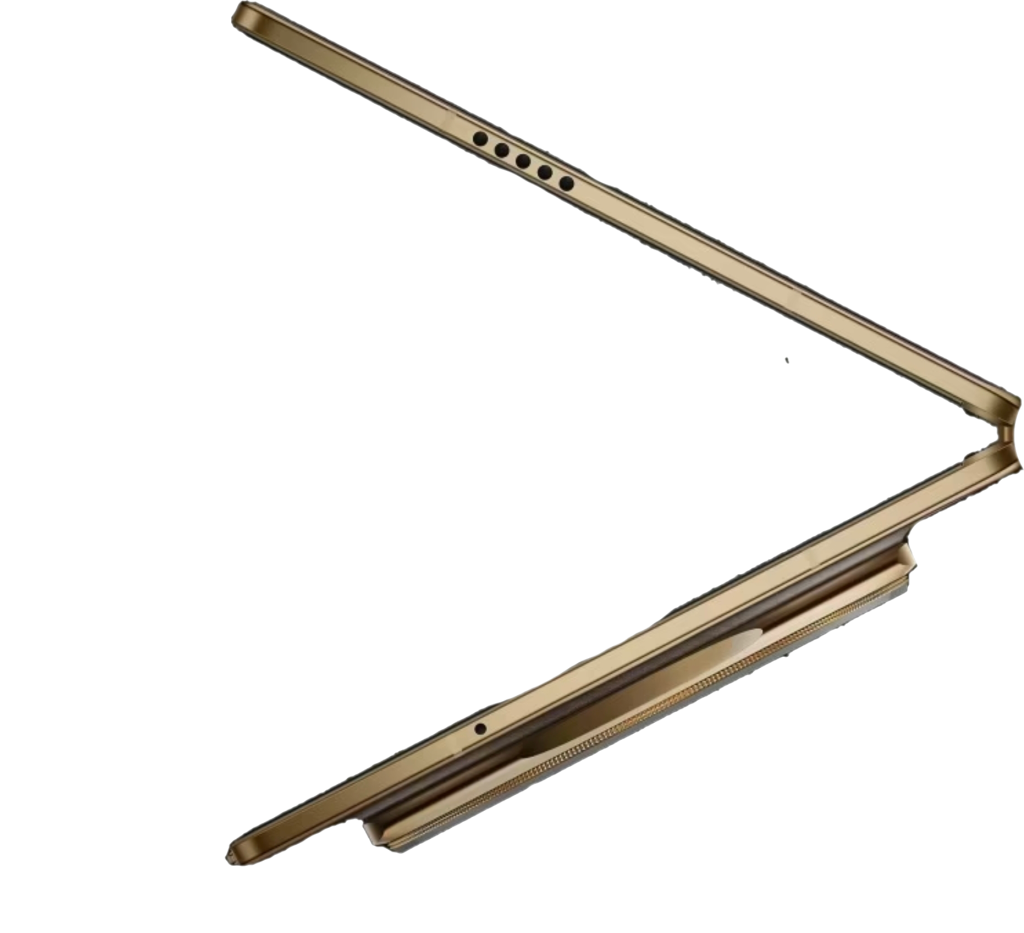
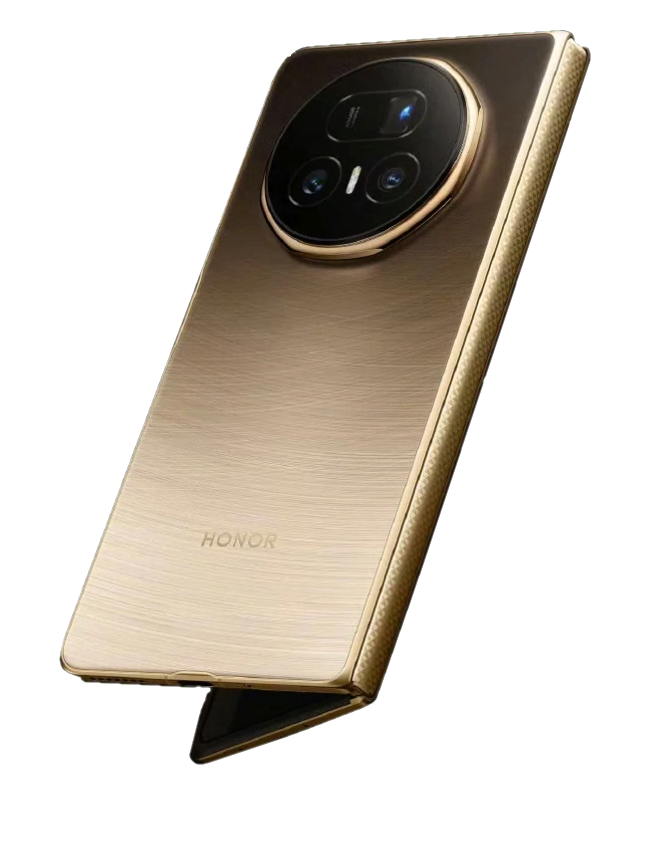
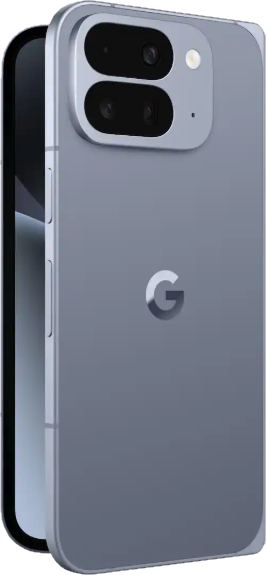
First, let’s talk about the look and feel of these foldables. When placed side by side, you’ll notice that the Honor Magic V5 is significantly thinner than the Pixel 10 Pro Fold. The thinner profile of the Honor makes it feel lighter and more comfortable to hold throughout the day. On the other hand, the Pixel 10 Pro Fold has a heftier feel, but it’s still manageable. Both devices have large camera bumps, with the Honor Magic V5 sporting a notably bigger bump, which contributes to its bulkier feel.

In terms of screen size, both phones are pretty much identical with an 8-inch internal display. However, the Pixel 10 Pro Fold has a slightly wider design, giving it a bit more space to work with. But when it comes to actual usability, they feel quite similar in your hand. The experience is smooth on both devices, and they handle apps with ease. I love using the Google Keyboard on both phones, especially for accurate text-to-speech and typing.

Performance-wise, AI integration on both devices is top-notch. Both phones handle AI-powered tasks like rephrasing text and proofreading with ease. You’ll notice that the Pixel 10 Pro Fold is just a hair faster at processing these tasks, but overall, they perform identically. This makes both devices very efficient for my daily needs, whether I’m responding to comments or typing out emails.

Moving to the internal screens, the Pixel’s 8-inch display feels more secure when placed flat, whereas the Honor Magic V5 is a bit wobbly. However, the Honor wins points for its customizability. The Magic V5 offers more flexibility with app sizes and widgets, allowing for a more tailored user experience. This is where the Honor Magic V5 pulls ahead, giving me greater control over my interface compared to the more rigid Pixel 10 Pro Fold.

Camera performance is where the two really start to differ. Both devices have impressive sensors, but the Honor Magic V5 tends to add more saturation to images, whereas the Pixel 10 Pro Fold leans toward a more natural, subdued look. The Pixel’s camera tends to perform better in terms of clarity, especially in low-light conditions. However, if you prefer brighter, more vibrant photos, the Honor Magic V5 might be the way to go.

As for the user interface, the Pixel 10 Pro Fold has a cleaner, simpler approach, but the lack of customization can feel limiting. In contrast, the Honor Magic V5’s more flexible UI lets you stack widgets and move apps around with ease, providing a more dynamic experience. It’s little touches like this that make the Honor Magic V5 more enjoyable for long-term use.

When it comes to battery life, the Pixel 10 Pro Fold comes with a 4600mAh battery, while the Honor Magic V5 has a slightly larger 5000mAh battery. Both foldables perform well for a full day of use, but the Honor Magic V5 gives me a bit more peace of mind when it comes to lasting through the day without needing to top-up. Both phones support fast charging, with the Pixel offering a 30W wired charging speed, and the Honor Magic V5 supporting 40W wired charging.

Finally, let’s talk about security. The Pixel 10 Pro Fold has face ID recognition, which is super convenient for unlocking your phone, especially when accessing sensitive apps like banking or passwords. In comparison, the Honor Magic V5 relies on a fingerprint scanner, which is just as secure but doesn’t offer the convenience of facial recognition.

Service and support are another consideration. Since the Pixel 10 Pro Fold is readily available in the U.S., it comes with excellent warranty support and customer service from Google. Unfortunately, the Honor Magic V5 isn’t as widely available outside of China, meaning support might be harder to come by, especially if you run into issues with your device.

At the end of the day, both the Honor Magic V5 and the Pixel 10 Pro Fold are excellent choices for daily use. They each have their strengths: the Honor offers a more customizable experience and better battery life, while the Pixel excels in camera clarity, ease of use, and security features. Ultimately, it comes down to personal preference. For me, both devices fit perfectly into my daily routine, and I carry both with me everywhere I go.

Which foldable do you prefer? Are you team Pixel 10 Pro Fold, or do you lean towards the flexibility of the Honor Magic V5? Let me know in the comments!

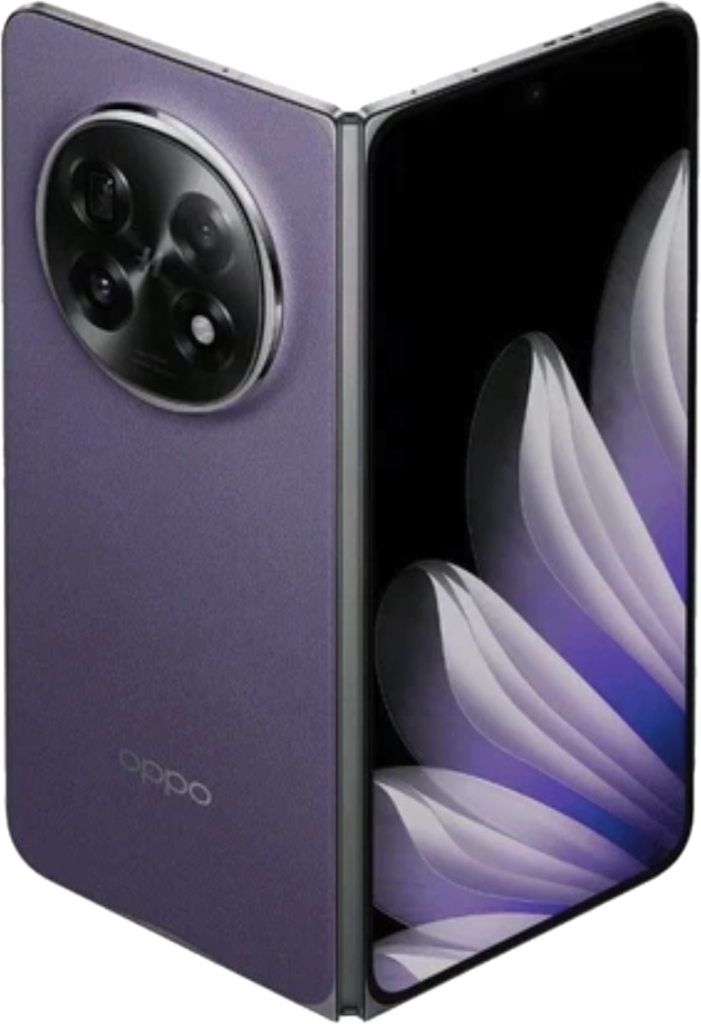
The Oppo Find N6: The Next Big Step for Foldables?

In the fast-paced world of foldable phones, 2026 is already shaping up to be an exciting year, with Oppo leading the charge with its upcoming Oppo Find N6. But with the OnePlus Open potentially following suit, is the market ready for another foldable phone launch? Let’s dive into what we can expect from Oppo’s new foldable, how it stacks up to its predecessors, and what it means for the competition.

Oppo Find N6: What’s New?

For those who may not be familiar, the Oppo Find N5 was one of the standout foldables from the previous year. It was one of the largest in the market, boasting an impressive 8.12-inch internal screen and a 6.6-inch external display. While it wasn’t the most compact foldable out there, it brought some much-needed innovation to the category with its slim design and decent battery life. However, it did have its shortcomings — particularly in the camera department, where the Oppo Find N5’s 50 MP main sensor and 8 MP ultrawide camera were a bit underwhelming compared to other foldables in the market.

But the Oppo Find N6 is shaping up to remedy those shortcomings. It’s rumored to come with a Snapdragon Elite 5 chipset, an upgrade from the previous model’s Snapdragon 7-series, and significantly better camera specs, including a 50 MP periscope zoom lens, alongside a multi-spectral sensor for better light capture in low-light conditions. Oppo seems to be listening to consumer feedback and coming back strong with a device that could finally compete with the likes of Samsung’s Galaxy Z Fold 7 and the Honor Magic V5.

What About the OnePlus Open?

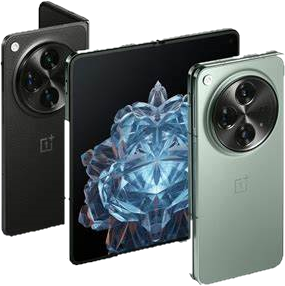
It’s also worth mentioning that the OnePlus Open, Oppo’s sister company, may be entering the foldable scene soon as well. The OnePlus Open skipped a release in 2025, leaving many wondering whether they’d be returning to the foldable market in 2026. OnePlus may not be as well-known in the foldable space as Samsung, but they do have a reputation for making solid phones at a competitive price point.

The question is: will OnePlus release the Open 2, Open 3, or something entirely new to rival Oppo’s new flagship? Speculation suggests that OnePlus may release a global version of the Oppo Find N6, which could be a game-changer for foldable competition, particularly in markets like the U.S. where Oppo’s foldables haven’t yet gained a foothold. A global version of the Find N6 would be the perfect opportunity for OnePlus to capture a broader audience and take on Samsung in the foldable space.

Oppo Find N6: A Premium Experience?

When comparing the Oppo Find N6 to the previous model, the improvements are noticeable. The new N6 is rumored to have a 6000 mAh battery, which is on par with some of the best foldables out there, including the Vivo X Fold 5. For those looking for longevity, Oppo has upped its game with a battery capable of handling long days of use without a hitch.

On top of that, Oppo is expected to include fast charging capabilities with 80W wired charging and 40W wireless charging. Compare that to the Pixel Fold’s slow charging speed, and you can see why the Oppo Find N6 could be an appealing choice for anyone tired of waiting for their phone to charge.

The Camera Upgrade

One of the biggest selling points of the Oppo Find N6 is its improved camera system. The previous model fell short of expectations with an underwhelming ultrawide camera and average selfie performance. However, Oppo is stepping it up this year with a rumored 50 MP main sensor and a 50 MP periscope zoom camera — a big jump from the N5’s lackluster camera setup.

Oppo isn’t just focusing on the hardware either. They’re introducing a multi-spectral sensor, which will allow the camera to capture more light and detail in challenging lighting conditions. This could make the Oppo Find N6 a serious contender for photography enthusiasts who demand high-quality camera performance from their foldables.

Will It Compete With Samsung?

The Oppo Find N6 will face stiff competition from Samsung’s foldables, especially the Galaxy Z Fold 7, which is already known for its polished hardware and cutting-edge features. However, with Oppo’s commitment to upgrading its camera system and battery life, it may be able to steal some market share from Samsung, especially with the Find N6’s rumored slim design and improved specs.

Samsung has been the undisputed leader in the foldable market for years, but Oppo’s Find N series is a legitimate contender. The fact that Oppo is also focusing on the same high-end specs as the Z Fold series, such as large displays, fast charging, and premium build quality, means that foldable users now have more choice than ever before.

OnePlus: Is It Coming Back to Foldables?

So, what does all this mean for OnePlus? While it’s not clear yet what the company will do next with its foldable lineup, it’s safe to say that OnePlus has the potential to be a strong player in the foldable space. If the rumors are true, and OnePlus does release a new foldable in 2026, we can expect it to come with similar specs as the Oppo Find N6, but at a potentially lower price point.

OnePlus may even surprise us with a global version of the Oppo Find N6, giving consumers more choices in the foldable market. If they manage to release a device that rivals the Oppo Find N6 — especially in markets outside of China — it could mark the beginning of a new era for OnePlus in the foldable space.

Conclusion

The Oppo Find N6 is shaping up to be an impressive device, with a large display, improved camera system, and better battery life than its predecessor. But the real question remains: Is the world ready for another foldable phone? With the current market still dominated by traditional bar phones, will people be willing to embrace another foldable device, especially one with a second hinge?

It’ll be interesting to see how Oppo’s Find N6 fares against Samsung and other foldables in 2026, and whether OnePlus will throw its hat into the ring with its own foldable offering. One thing’s for sure: foldable phones are evolving, and the Oppo Find N6 is pushing the envelope even further.

So, what do you think? Are you excited for the Oppo Find N6, or will you be waiting for OnePlus’ next move? Let me know in the comments below!

SOUNDPEATS Pearl Clips vs Clip 1: The Open-Ear Earbud Showdown Nobody Expected

If you’ve ever tried to enjoy your favorite playlist and still hear what’s going on around you, you know the struggle is real. Traditional in-ear earbuds sound great, but they plug your ears, get uncomfortable, and make you shout like you’re on a runway. That’s exactly why open-ear, clip-style earbuds exist—and today we’ve got two from SOUNDPEATS on the table: the Pearl Clips and the Clip 1.

I spent time unboxing, setting up, and actually living with both of these, and there were a few surprises—especially in the sound department. Let’s walk through what they’re like to use, how they sound, and which pair might be the better fit for you.

Meet the SOUNDPEATS Pearl Clips

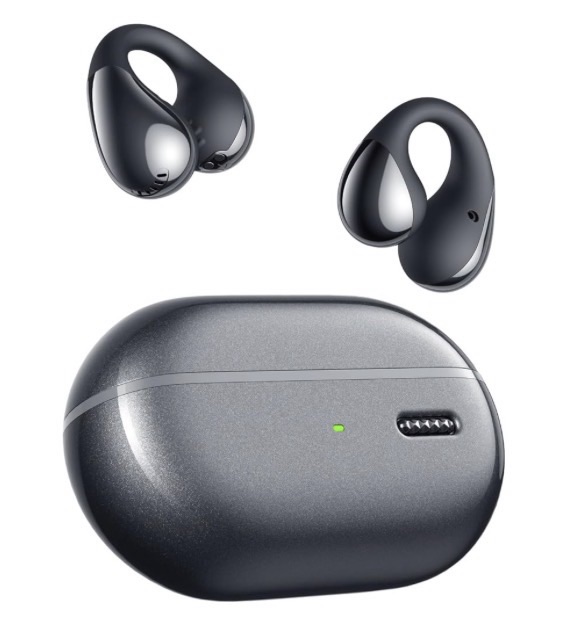
The Pearl Clips are open-ear, clip-on earbuds designed for people who want audio and awareness. Instead of being shoved into your ear canal, they hook around your ear and rest just outside the ear, so your ears stay open and your surroundings stay audible.

Unboxing and First Impressions

Inside the box you get:

The Pearl Clips in a compact charging case A short USB-A to USB-C charging cable The usual paperwork

The case is small, pocket-friendly, and charges via USB-C on the back. Pop the lid, peel off the protective plastic, and you’re greeted with two sleek, lightweight clips that look a little like minimal, futuristic earrings.

When you put them on, the speaker portion rests near your ear opening while the arm wraps around the back of your ear. The clip is secure but not tight—they stay in place without pinching.

Right away, two things stood out:

Comfort – They’re extremely light and don’t create that plugged-ear feeling. You don’t hear your own voice booming inside your head. Awareness – Even with both on, I could still hear the room and my own voice naturally.

These are the kind of earbuds you could realistically wear for hours without your ears getting sore.

Battery Life & App Features (Pearl Clips)

On paper, the Pearl Clips are very respectable:

10-minute charge → about 2 hours of listening Up to 24 hours of total playback with the case

That’s more than enough for a commute, workday, or long walk, especially if you drop them back in the case between sessions.

Inside the SOUNDPEATS app, you get:

Battery levels for each earbud and the case Preset EQ modes (Classic, Treble, Bass Boost, etc.) An adaptive EQ hearing test that plays tones and builds a sound profile based on what you can and can’t hear

During that test there were a couple of frequencies I couldn’t hear, and the app adjusted the sound to compensate. It’s simple, but genuinely useful—especially if your hearing isn’t perfectly even across all frequencies.

No active noise cancelling here (which makes sense—they’re open-ear), but for walking, workouts, or general daily use, ANC isn’t the point. Awareness is.

How the Pearl Clips Sound

Now for the fun part.

I connected them to my phone, opened YouTube Music, and hit play on some relaxing 80s—starting with “Africa” by Toto. I expected “good for open-ear” sound.

What I got was “wow.”

The audio is clear The highs and mids are clean The bass is shockingly strong for earbuds that don’t actually seal your ear

At about three-quarters volume, they were loud. Turned up near max, I could barely hear myself talking over the music, even though my ears were technically still “open.” For open-ear earbuds, that’s pretty impressive.

Honestly, I prefer the sound of these over some traditional in-ear buds I’ve used—including big names like Samsung Buds and Apple’s AirPods. That surprised me.

Controls live on the part that rests near your ear:

Double-tap to play/pause Long press for next/previous track Swipe for volume up/down

They’re a bit sensitive, but once you learn the gestures, they’re very usable.

They’re also sweat and water resistant, so they’re safe for workouts, light rain, and everyday use—just don’t go swimming with them.

Enter the Clip 1: The “Big Brother” Earbuds

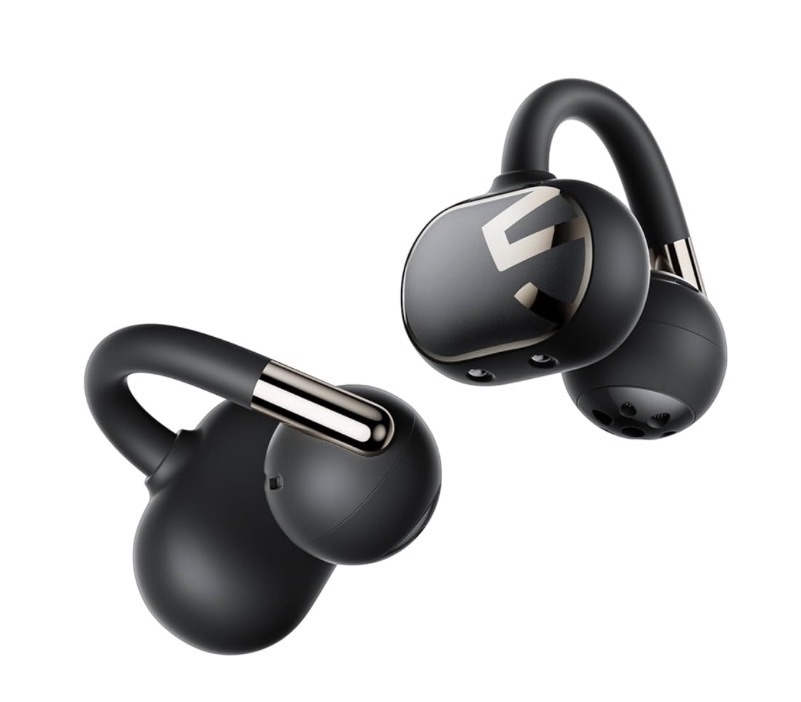
If the Pearl Clips are the “everyday open-ear buds,” the Clip 1 are their more serious, high-resolution sibling.

Design and Case

Right away, you notice:

The case is larger, with a bigger internal battery The earbuds themselves have a slightly beefier design with a more pronounced battery section

But despite the bigger size, they still feel light and comfortable on the ear, very similar in comfort to the Pearl Clips.

One very cool quality-of-life feature:

You can drop each earbud into either side of the case and it will still charge correctly. The left/right mapping adjusts automatically, so you don’t have to carefully line them up or think about which is which.

Battery & Features

This is where the Clip 1 really pulls ahead:

Up to 40 hours of total listening with the case (vs 24 hours on the Pearl Clips) In-ear detection – music pauses when you take them off Dual-device connection – pair to, say, your laptop and your phone at the same time. Listen to music on the computer, answer calls on your phone. Support for LDAC high-resolution audio Dolby Audio / Dolby Mobile modes in the app for enhanced sound

Think of these as the “pro audio” version of the Pearl Clips—but without actually being called “Pro.”

How the Clip 1 Sound

Once I fired up the Clip 1, the difference was clear:

All the good things about the Pearl Clips’ sound—clarity, detail, and punch—are still here, but the bass gets an extra boost and the overall sound feels richer.

With LDAC and the high-res tuning:

Bass hits harder and deeper Vocals stay clear Overall sound feels more “full” and immersive

If you’re particular about audio quality and really want that CD-like, high-resolution experience from an open-ear design, the Clip 1 is the better match.

Controls are similar but with a larger touch area:

Double-tap to play/pause Triple-tap to skip tracks Long presses and taps for other functions depending on your setup in the app

The bigger “paddle” section on the Clip 1 makes those gestures easier and more forgiving than on the smaller Pearl Clips.

Pearl Clips vs Clip 1: Which Should You Buy?

Both sets share some key strengths:

Open-ear comfort you can wear for hours Great awareness of your surroundings Solid sound quality (especially for open-ear) Sweat/water resistance

But they’re aimed at slightly different people:

Get the Pearl Clips if:

You have smaller ears or want the smallest, lightest feeling option You want something simple, comfortable, and great-sounding for walks, podcasts, and casual listening 24 hours of total battery life is more than enough for your routine

Get the Clip 1 if:

You care about audio quality first You like stronger bass and LDAC high-res audio support You want longer battery life (up to 40 hours total) You like conveniences like in-ear detection and dual-device connection

Shared Downsides

Neither case supports wireless charging There’s no active noise cancelling (by design—they’re open-ear)

But honestly, at around a third of the price of many big-brand earbuds, both of these deliver a lot of value—especially if comfort and awareness are high on your list.

Final Thoughts

I’ve used a lot of earbuds over the years, from Samsung to Apple to all kinds of budget brands. These SOUNDPEATS clip-style buds genuinely surprised me.

The Pearl Clips are fantastic everyday, open-ear earbuds with comfort and sound that punch way above their size. The Clip 1 takes that formula and turns it up a notch with better bass, LDAC support, smarter features, and marathon battery life.

If you’re shopping for yourself—or looking for a great gift, especially around Black Friday—either of these would make an awesome pick. Just decide whether you care more about ultimate comfort and compactness (Pearl Clips) or maximum sound quality and battery life (Clip 1). Check our Products page Here

Have you tried clip-on or open-ear earbuds before? Would you switch from traditional in-ear buds for comfort like this? Let me know—I’d love to hear your experience and what you’re using today.

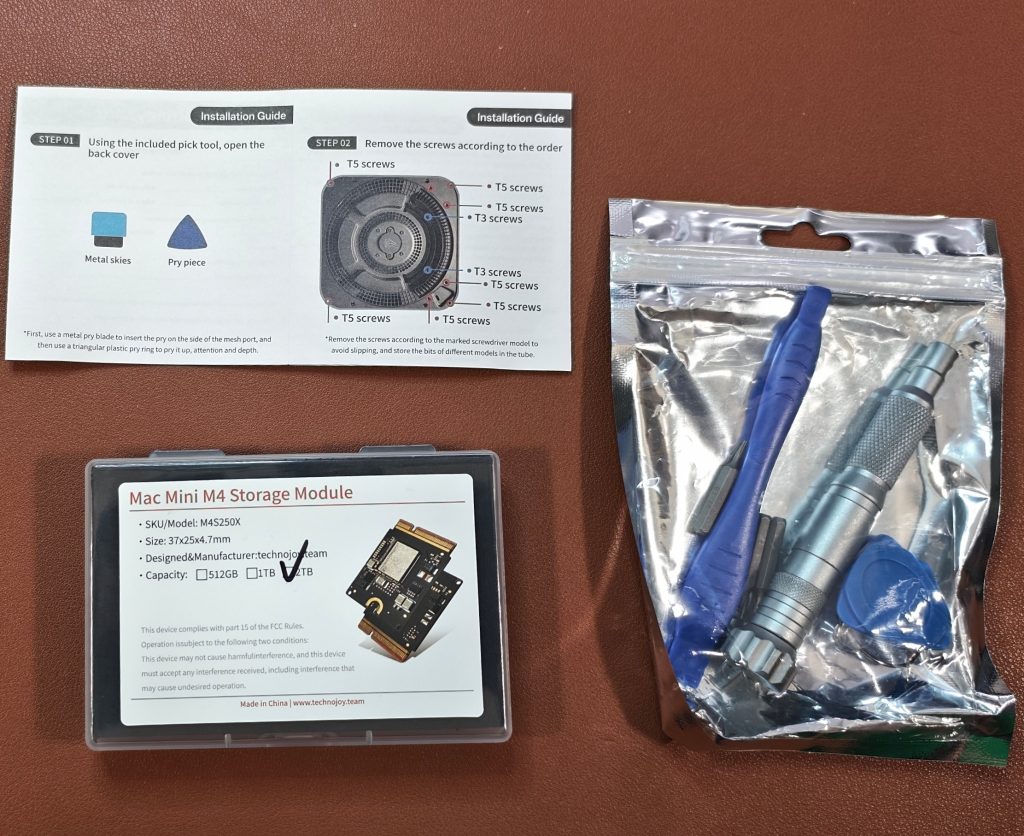
GOT Mac Mini M4 2TB SSD Giveaway

ENTER TO WIN HERE!

Here’s how:

Official Rules & Disclaimer

1. No Purchase Necessary: Entry is free via the requirements stated in the video and this form.

2. Liability Waiver: GOTgoodoldtech and its creators are providing the hardware “as-is.” We are not responsible for any damage caused to your computer, loss of data, or personal injury resulting from the installation or use of this prize. The winner assumes all risk associated with the DIY installation.

3. Warranty: No warranty is provided by GOTgoodoldtech. Any manufacturer warranty (if applicable) is the responsibility of the winner to pursue with the SSD manufacturer.

4. Selection: Winner will be chosen once the video reaches 1,000 comments, 1,000 likes, and 20,000 views. The winner will be contacted via the email provided.

5. YouTube Disclaimer: This giveaway is not sponsored, endorsed, or administered by YouTube or Apple Inc.

6. Final Required Question:”By checking this box, I agree to the Official Rules and the Liability Waiver stated above.

Enter Here

Are Trifolds the Future — or Just Another Price Hike?

Dual folds finally got good. So why are manufacturers suddenly obsessed with trifolds? Are they truly the next big leap in mobile innovation—or just another hinge we didn’t ask for? Stick around, because by the end of this read, you might be asking the same question I am: Do we really need a tablet in our pocket twice over?


Foldables Have Come a Long Way

Remember when foldables first appeared? They were clunky, fragile, and felt more like prototypes than phones. Devices like the Microsoft Surface Duo looked promising but didn’t stick around long enough to build trust. Fast-forward five years, and we’ve gone from those early experiments to polished masterpieces like the Samsung Z Fold, Honor Magic V5, Vivo X Fold 5, and the Pixel 10 Pro Fold.

Today’s foldables aren’t fragile novelties—they’re powerhouses. They run faster, last longer, and in many ways outperform their bar-phone cousins. Even Apple is finally jumping in, and when Apple enters a category, that’s a clear sign it’s here to stay.

But here’s the reality check: foldables still only hold about 2% of the smartphone market, while 98% of users stick to traditional bar phones. We just convinced people to trust one hinge—and now the industry wants us to trust two?


From Folds to Trifolds: Are We Ready?

Think about it. It took half a decade to evolve from this—[Surface Duo]—to this—the ultra-thin Honor Magic V5. We finally reached a point where foldables are sleek, durable, and even IP68 water-resistant. That kind of progress built real consumer confidence.

So, why start the trust process over again with a second hinge?

Manufacturers claim the trifold will give you “a tablet in your pocket.” But haven’t we heard that before? Back in the day, the Galaxy Note was literally called a “phablet”—a phone and tablet in one. It had a huge 6.3-inch screen and a stylus, and people said it was too big. Fast-forward, and we’re all carrying 6.7-inch phones. Funny how that worked out.

Now they’re trying to sell us a new version of that same dream—a 10-inch “tablet phone” that folds in three.


Do We Really Need a Tablet That Folds Twice?

Here’s my honest take: we already have a tablet in our pocket.

Ever since foldables like the Z Fold and Magic V5 arrived, my tablet—an old Galaxy Tab S7—has been collecting dust. I only use it occasionally as a side display. Foldables replaced tablets for many of us because they’re compact, powerful, and plenty big when opened.

So what niche are trifolds trying to fill? A 10-inch foldable tablet sounds nice, but picture yourself holding it mid-flight or on a train. It’s not exactly a one-hand device anymore. Sure, it might be slightly lighter than a real tablet—but after 10 minutes, you’ll want to set it down. And if you’re going to set it on a table to use it, why not just buy an actual tablet?

Even battery life doesn’t justify it. Early rumors suggest Samsung’s upcoming Galaxy G-Fold (Trifold) will pack around 5500 mAh, barely more than most dual folds today. My Magic V5, for example, already hits 5820 mAh, and it’ll likely outlast that trifold despite having fewer moving parts.


Bigger Screens, Bigger Problems

Now, let’s talk practicality. The promise of “more multitasking” on a 10-inch screen sounds great—until you realize how awkward it is to type on something that wide. A larger screen doesn’t automatically mean a better experience, especially if it becomes harder to hold, type, or use without a flat surface.

And the design? Let’s just say early trifold prototypes don’t look reassuring. Misaligned edges, visible gaps, and questionable durability—things we thought we’d left behind with first-gen foldables—are creeping back in.

Add to that the price problem. When the Z Fold 7 already costs around $2,000, what’s a trifold going to run? $3,000? $3,500? For that price, you could buy a flagship phone and a top-tier tablet—and still have money left for a smartwatch.


Innovation or Inflation?

Here’s what I suspect: the trifold isn’t about giving us more—it’s about charging us more. As Apple gears up to launch its first foldable, other brands want to look like they’re one step ahead. “Apple’s doing dual folds? Fine, we’ll do trifolds!

It’s marketing chess, not consumer demand. No one’s been asking for this. We’ve just started trusting one hinge—don’t rush us into two.


Final Thoughts

I’m not anti-trifold. I’m just asking: who actually needs it?

We’ve reached a beautiful balance with current dual folds—devices that deliver tablet-like functionality in your pocket. They’re fast, durable, and refined. Trifolds, on the other hand, feel like a solution in search of a problem.

Maybe they’ll surprise us. Maybe in a few years they’ll be thinner, cheaper, and make sense. But right now? It feels like another “next big thing” that’s more about headlines than user needs.

So, are trifolds truly progress—or just another price hike wrapped in a new hinge?
You tell me.

Pixel 9/10 Pro Fold vs Honor Magic V5: Has Google Finally Caught Up?

When the Pixel 9/10 Pro Fold finally hit the market, I couldn’t wait to see how it stacked up against my daily driver — the Honor Magic V5. I’d been using the V5 for months, loving its mix of power, polish, and almost sci-fi multitasking. The question was simple: could Google’s latest foldable compete?

Well, after spending a lot of time flipping between the two, I’ve got some thoughts — and maybe a few surprises.


Design & Feel: Two Very Different Takes on Premium

Let’s start with what you feel first — the build. Both phones feel solid and high-end, but the Honor Magic V5 just has that extra touch of refinement. It’s got a more elegant color finish and thinner bezels that make it look futuristic next to the Pixel. Even the hinge feels smoother and more balanced.

Now, the Pixel 9 Pro Fold does have one advantage — it’s a bit wider, making it easier to type on when closed. The Honor, on the other hand, is slightly taller. Its 6.4-inch external display feels just right in the hand, while the Pixel’s 6.3-inch outer screen feels comfortable but more conservative.

The Pixel 10 Pro Fold (which I skipped this year) trims down the bezels slightly, but honestly — Honor’s been doing that level of design for years. Even compared to the OnePlus Open, the Magic V5’s bezels are thinner, cleaner, and more immersive. And when it comes to that dreaded crease in the middle? The Pixel’s is still clearly visible, while the Honor’s is barely noticeable.


Weight, Hinge, and Handling

The Honor Magic V5 is not only thinner — it’s lighter too. You feel that difference immediately when holding it for long periods. Both phones have side-mounted fingerprint sensors that are lightning fast, and both sound fantastic with true stereo speakers on either side. But the Pixel’s slightly thicker body gives it a deeper, bassier sound.

So, yes — the Pixel’s got the edge in audio, but for pure comfort and portability, the Honor Magic V5 wins hands down.


Software: Freedom vs. Familiarity

Here’s where the real separation begins.

Both phones run Android, but the Honor Magic V5 runs MagicOS 9.0 over Android 15, while the Pixel 9 Pro Fold runs Android 16 (with the 10 Pro Fold on Android 16). And that version difference doesn’t matter nearly as much as how each company uses Android.

On the Pixel, the software is clean, simple, and… well, pretty plain. You can’t resize widgets much, rearrange the layout freely, or do the kind of multitasking that the Honor can. MagicOS gives you true desktop-like freedom — you can open up to three apps at once, freely resize or move them, and even have floating mini-apps that pop up when you get a text.

The Pixel? Two apps at a time, max.

You can add a sidebar app on the Pixel using a third-party app, but it’s nowhere near as fluid. With Honor’s built-in multitasking, I can literally pull another app onto the screen mid-conversation, or drag-and-drop photos straight into another window. It feels alive — Pixel feels safe.


Brightness, Displays & Real-World Use

On paper, both have incredible displays — but Honor takes it up a notch.

The Pixel 10 Pro Fold offers 2000 nits typical brightness with 3000 nits peak on the cover screen, and 1800 nits on the inside (up to 3000 peak). The Honor Magic V5, however, goes up to a blinding 5000 nits peak brightness on both screens. Outdoors, the difference isn’t massive, but indoors, the Honor’s screen just feels more vibrant and less reflective thanks to its anti-glare coating.

Open both up side-by-side, and you’ll instantly notice the Pixel’s screen catching light while the Honor stays easy on the eyes. That’s a huge deal if you use your foldable for long editing sessions, media, or reading.


Cameras: Pixel’s Reputation vs. Honor’s Reality

Okay, let’s talk cameras — because this is where everyone expects the Pixel to dominate. And honestly, it’s closer than you’d think… but not quite a win for Google.

Both have great image processing, but the Honor simply has better hardware. The main sensor is 50 MP versus the Pixel’s 48 MP, but the real gap appears with zoom and ultra-wide.

  • Pixel 9/10 Pro Fold: 48 MP main, 10.8 MP ultra-wide, 10.8 MP 5× telephoto
  • Honor Magic V5: 50 MP main, 50 MP ultra-wide, 64 MP 3× telephoto

Even though the Pixel’s telephoto technically zooms farther (5×), its low 10 MP resolution can’t compete with the Honor’s 64 MP lens. The Honor’s shots come out crisper, with better color and contrast — especially when cropping in.

The Honor also gives you 20 MP selfie cameras on both screens, versus the Pixel’s 10 MP. And for videographers? Both are great, but the Honor’s interface saves your last camera mode — something the Pixel still doesn’t do. Small detail, big frustration.


Battery Life, Charging & Power

The Honor Magic V5 houses a massive 5820 mAh silicon-carbon battery — and it shows. It easily lasts longer than the Pixel 9 Pro Fold’s 4600 mAh pack. Even the newer Pixel 10 Pro Fold only goes up to around 5015 mAh, still not enough to catch up.

And when it comes to charging, it’s not even close:

  • Honor Magic V5: 66 W wired / 50 W wireless
  • Pixel 9 Pro Fold: 30 W wired / ~15 W wireless
  • Pixel 10 Pro Fold: 30 W wired / 15 W wireless

The Honor can fully recharge from 0 to 100% in about 45 minutes, while the Pixel takes nearly double that. The one neat trick Pixel has going is the new Pixel Snap magnetic ring for wireless charging — but you can add a $2 magnetic ring to the Honor and get the same functionality.


Performance: Snapdragon Power vs Tensor Struggle

Inside, the Honor Magic V5 runs the Snapdragon 8 Gen Elite, while the Pixel 9 Pro Fold uses the Tensor G4 and the Pixel 10 Pro Fold uses the new Tensor G5. The difference? Noticeable — especially in heavy multitasking, photo processing, and heat management.

The Tensor chip is fine for casual users, but it’s not built for efficiency or sustained performance. The Honor simply flies through demanding apps and keeps cool doing it. Benchmarks back that up, but even day-to-day usage tells the story: the Honor just feels snappier.


Final Thoughts — Who Wins?

If you love a clean, minimal interface and don’t mind slower charging or limited customization, the Pixel 9 Pro Fold (and the 10 Pro Fold) are solid options. The cameras are good, the design is refined, and it’s pure Android.

But if you want a truly next-gen foldable experience — powerful charging, huge battery, crazy multitasking, customizable software, and a near-invisible crease — the Honor Magic V5 is the clear winner.

I wanted the Pixel to surprise me. Instead, it reminded me that Google’s foldable story is still catching up. Honor, meanwhile, is writing the next chapter.


Your turn: Would you upgrade to the Pixel 10 Pro Fold for the slimmer bezels and Pixel Snap, or would you stick with a powerhouse like the Honor Magic V5? Let me know in the comments — and check out my video comparison for all the side-by-side footage and camera samples.

The OnePlus Open: Still a Foldable to Beat — But Will We Ever See a Sequel?

When the OnePlus Open launched in 2023, it instantly changed how I looked at foldable phones. Up to that point, my main daily driver was the Samsung Galaxy Z Fold 4, and while it was impressive, it always felt a bit narrow and awkward to use closed. Then came the OnePlus Open — a breath of fresh air with its wider outer display, sleek hinge design, and cameras that could finally compete with traditional flagships.

It wasn’t just another foldable; it was the foldable I’d been waiting for.


The OnePlus Open Was Ahead of Its Time

Powered by the Snapdragon 8 Gen 2, the OnePlus Open delivered some of the smoothest performance I’d ever experienced on a foldable. Even in 2025, it still feels quick — snappy multitasking, fluid animations, and excellent thermal control.

What really set it apart, though, was its 6.3-inch outer display. It was refreshingly usable compared to the narrow front screen on the Fold 4 and even today’s Z Fold 7. The Open struck that perfect balance between compact and functional, something Samsung still hasn’t quite nailed.

And let’s not forget those cameras. With a 64 MP telephoto, 48 MP main, and 48 MP ultra-wide, it punched above its weight. Even in 2025, those specs rival many flagships. Add to that the nearly crease-less inner display, and you had a foldable that looked futuristic and refined from every angle.


The Letdown: No Sequel… Yet

Toward the end of 2024, rumors began circulating that OnePlus wouldn’t release an Open 2 — at least not anytime soon. Instead, Oppo, the parent company, shifted focus toward the Find N5, leaving global users wondering if OnePlus had quietly exited the foldable race.

It was disappointing, especially since the OnePlus Open was a global release with U.S. availability — something Oppo’s phones still lack. The Open also had an advantage in repairability and support, with legitimate U.S. service options, unlike imported Chinese models.

If you’re still rocking the original Open, you know it’s aged remarkably well. But for fans hoping for a 2025 or 2026 sequel, things started to feel uncertain.


Oppo Find N5: A Step Backward for Many

Then came the Oppo Find N5 — essentially the OnePlus Open’s spiritual successor in Asia — and the excitement turned into frustration. Oppo slimmed down the body but at the cost of major camera compromises.

They dropped to an 8 MP ultra-wide and 8 MP selfie camera, keeping only the main sensor at flagship quality. That’s a big step backward for photography lovers. Even die-hard Oppo fans admitted it felt like a downgrade.

The Find N5’s taller, narrower form also didn’t help. It reminded me too much of Samsung’s old Fold design — elegant, yes, but awkward for typing or watching videos.

So for me, the OnePlus Open still holds the crown. It found that perfect blend of design, camera power, and usability that others have struggled to match.


A Look Back: OnePlus Open vs Honor Magic V2

To understand where the next OnePlus Open could go, it helps to look at what its closest competitor was doing around the same time. The Honor Magic V2 came out just months after the Open, pushing the limits of thinness and refinement. Both phones were remarkable, but they took slightly different paths.

Here’s a quick comparison of the two:

CategoryOnePlus OpenHonor Magic V2
Launch (Global)Oct 2023Sept 2023
Chipset / GPUSnapdragon 8 Gen 2 / Adreno 740Snapdragon 8 Gen 2 / Adreno 740
Software at LaunchAndroid 13, OxygenOS FoldAndroid 13, MagicOS 7.2
Dimensions (Folded)153.4 × 73.3 × 11.7 mm156.7 × 74.0 × 9.9 mm
Thickness (Unfolded)5.8 mm4.7 mm
Weight239 g231 g
Outer Display6.3″ LTPO OLED (2484 × 1116, 120 Hz)6.43″ LTPO OLED (2376 × 1060, 120 Hz)
Inner Display7.82″ LTPO OLED (2440 × 2268, 120 Hz)7.92″ LTPO OLED (2344 × 2156, 120 Hz)
Peak Brightness2800 nits2500 nits
Rear Cameras48 MP main + 64 MP telephoto + 48 MP ultra-wide50 MP main + 20 MP telephoto + 50 MP ultra-wide
Front Camera20 MP16 MP
Battery4805 mAh (Li-Poly)5000 mAh (Si-Carbon)
Charging67 W wired66 W wired / 50 W wireless
BuildAluminum frame + vegan leather backMagnesium alloy + titanium hinge
Fold CreaseNearly invisibleVery light
Price (Launch)~$1,699 USD~$1,200 USD (China)

While the Magic V2 was thinner and lighter, the OnePlus Open still felt more balanced overall, especially in camera performance and display usability. The V2 pushed boundaries in engineering, but the Open offered the kind of polish that made it feel complete right out of the box.


What Could the OnePlus Open 2 (or Oppo Find N6) Bring?

If Oppo does release a Find N6, or if OnePlus resurrects the “Open” brand, we can expect a few things based on leaks and the direction of the market:

  • Thinner design: Honor and Vivo have already proven that foldables can be razor-thin, and Oppo can follow suit.
  • Improved cameras: Oppo reportedly learned from the N5’s mistakes and plans to boost image quality — particularly with larger sensors and higher-resolution ultra-wide and zoom lenses.
  • Larger battery: Rumors suggest a slight bump beyond 5,000 mAh, possibly with 100 W charging to rival Honor’s V-series.
  • Wider aspect ratio: The N6 may shift closer to the original Open’s proportions, which would be a welcome return.

The big question is whether OnePlus will return as Oppo’s global counterpart, as they did before. If so, we could finally see a new OnePlus Open 2 make its way to international markets — complete with updated specs, refined software, and that beloved multitasking interface that allows three apps at once on the big screen.


My Take — and What I’m Hoping For

If Oppo and OnePlus truly want to capture global attention again, they’ll need to go back to what made the first Open great — no compromises. The wide form factor, top-tier cameras, global launch, and premium build made it special.

Foldables are finally maturing, and as the Honor Magic V5 and Vivo X Fold 5 prove, there’s no excuse for weak cameras or limited regions anymore. The demand is there.

If the OnePlus Open 2 becomes real, even as a rebranded Find N6, I’ll be first in line to test it. And if not? Well, the original Open remains one of the most balanced foldables ever made — and a reminder that OnePlus once built something truly ahead of its time.


Would you buy a OnePlus Open 2 if it launched next year? Or has the brand already lost your trust after skipping 2025 entirely? Let me know your thoughts — and check out my full comparison video where I dive deeper into what makes the Open still one of the most satisfying foldables to use daily.

Pixel Watch 4: My First 72 Hours — and Why It Surprised Me

I’ll be honest — I didn’t expect to walk away from this weekend impressed by the new Pixel Watch 4. I packed it up, synced it to my Pixel Fold, and headed out for a four-day trip to really see how it handled real-world use. There was just one small problem: I forgot the charger. Yep, I left the only OEM cable it works with sitting neatly on my desk at home. This thing doesn’t support reverse wireless charging like some older smartwatches do — so I figured I’d be wearing a dead bracelet by Saturday.

But that’s where the first big surprise hit.


Battery Life That Outlasts Expectations

I left Friday morning with an 85% charge, and by Monday morning — nearly four days later — I still had 4% left. That’s not standby time; I used it all weekend long for notifications, activity tracking, and sleep monitoring. No charger, no battery anxiety, no problem.

When I finally plugged it in Monday morning, I decided to test how fast it would charge. From 4% to 58% took exactly 15 minutes. And even after an unexpected mid-charge software update, it still hit 100% in about 50 minutes flat. For reference, my Samsung Watch Ultra takes over an hour — and it’s not even close.

So yeah, Google’s done something right here. For a compact smartwatch with that sleek design, lasting an entire long weekend is seriously impressive.


Comfort, Design, and Daily Use

Once I got past my battery test anxiety, the first thing I noticed was how lightweight and comfortable the Pixel Watch 4 feels. Compared to the Samsung Watch Ultra, this thing is a feather. I didn’t even realize how much bulk I’d been lugging around until I switched. Both are 45mm watches, but because Google’s bezels are thinner and the face feels more open, the Pixel actually looks bigger on the wrist — in a good way.

I’ll admit, the watch band isn’t my favorite. It’s a little awkward to fasten one-handed, but once it’s on, it’s secure and comfortable. It’s water-resistant too, so no worries about a dip in the pool or a sweaty hike.

The 3,000-nit display is gorgeous. Even in bright California sunshine, I had zero trouble reading it. The smooth “Material You” interface looks modern, colorful, and easy on the eyes — definitely a visual upgrade from Samsung’s utilitarian menus.


Charging, Compatibility, and Everyday Features

Here’s a big one: the Pixel Watch 4 works perfectly on non-Pixel phones. I paired it to my Honor Magic V5, and every feature — even the ECG — worked flawlessly. No hidden “Pixel-only” restrictions like Samsung pulls when you use their watches with other Android devices. I could monitor my heart rhythm, check notifications, run apps, and control music without missing a single feature. That’s huge.

As for charging, Google’s charger may be proprietary, but it’s fast and reliable. I still wish it had the option for reverse wireless charging from a phone, though. Samsung used to offer that, but they removed it on the Ultra series, which still doesn’t make sense.


Fitness, Health, and Fitbit Frustration

Health tracking is accurate and easy to view directly on the watch. You get steps, heart rate, and sleep data with smooth animations and clear visuals. The sleep analysis screen is fantastic — I averaged around six hours per night, and it even showed my REM cycles clearly.

My only gripe? It relies on Fitbit. The watch itself is great, but once you open the Fitbit app on your phone, you get bombarded with ads to “Try Fitbit Premium.” I just want my stats, not a $20-a-month subscription pitch. Thankfully, you can bypass most of that by viewing data directly on the watch or tapping “Open on phone” to go straight to your results without navigating Fitbit’s upsell maze.


Gemini vs. Siri (and the Pixel Advantage)

Voice assistants are another area where Pixel crushed it. I did a quick test between Google Assistant (Gemini) and Siri on my Apple Watch.
Siri struggled to connect twice before finally telling me it was cloudy. Gemini nailed it instantly — complete with extra context, details, and a smooth voice response.

Siri did inform me of a flood warnings in Anaheim — Gemini didn’t mention it until I specifically asked. Gemini, on the other hand, immediately confirmed a flash flood watch with the full schedule and area details. That’s the kind of real-world smarts I want in a smartwatch.


My 72-Hour Verdict

After three full days of use, here’s my takeaway: the Pixel Watch 4 might be the best all-around Android smartwatch right now. It’s light, fast, beautiful, and lasts longer than I ever expected.

It doesn’t hide features behind brand loyalty walls. It doesn’t weigh your wrist down. And even if you forget your charger (like I did), you’ll still make it through the weekend just fine.

Would I still wear my Samsung Watch Ultra? Sure — it’s a beast. But the Pixel Watch 4 feels more natural, modern, and effortless. And for the first time, I can honestly say Google’s watch is no longer playing catch-up — it’s setting the pace.


Honor Magic V5 vs VIVO X Fold 5: Which Foldable Wins the Daily Battle?

This is the matchup everyone’s been waiting for — Honor Magic V5 vs VIVO X Fold 5. Two of the most advanced foldables ever made, both thin, sleek, and ridiculously powerful. I spent several days putting them through my real-world daily routine — from unlocking screens and checking notifications to editing videos, snapping photos, and even doing my morning coffee scroll. So, how do they stack up head-to-head? Let’s dive in.


Design and Build

Right away, you’ll notice the VIVO X Fold 5 stands a little taller and slimmer, with softer rounded corners. The Honor Magic V5, on the other hand, has a slightly wider stance, which actually fits my hand better. It’s more comfortable to type on and easier to reach across the display — a subtle but meaningful win for Honor.

Both phones are impressively thin — around 9mm folded — but the Magic V5 does have a larger camera bump. In my “level test,” they were nearly identical in thickness, but when it came to the camera module, the V5 clearly sat higher off the table. Minor detail, but it’s noticeable.

VIVO adds a bonus feature: a programmable side button. It’s not a toggle like on the OnePlus Open, but you can assign it to mute, launch an app, or even trigger the camera. Handy touch, and I actually grew to like it.


Software & Daily Use

I’ll start with the disclaimer — my VIVO X Fold 5 is the Chinese version, while the Honor Magic V5 I used is global. So yes, there are some quirks. For instance, on the VIVO, your lock screen wallpaper mirrors your home screen, and you can’t change them separately. Small annoyance, but one that bugged me. Honor, thankfully, gives you full customization freedom.

Both phones unlock quickly with their side-mounted fingerprint readers. I used to think Samsung’s ultrasonic sensor was faster, but these two are lightning quick. No hesitation.

On the inside, both run Android 15, but they take different approaches.

  • Honor Magic V5: MagicOS 9, Snapdragon 8 Elite, 16GB RAM, 5820 mAh battery.
  • VIVO X Fold 5: ColorOS-based OriginOS 4, Snapdragon 8 Gen 3, 16GB RAM, 6000 mAh battery.

That means the VIVO technically has a bigger battery, but Honor’s new silicon-carbon cell makes up the difference with better efficiency.


Stylus & Connectivity

Here’s where Honor pulls ahead: stylus support on both screens. That’s right — you can use the Magic Pen on the cover and the inner display, and it’s great for note-taking or even thumbnail artwork (yes, I’ve made a few that way). The VIVO doesn’t have stylus support at all.

In my Wi-Fi speed test, the Honor Magic V5 hit 444 Mbps down and 8.3 Mbps up — basically maxing out my home internet plan. The VIVO X Fold 5 came close at 340 down and 9 up, but the edge went to Honor. However, on cellular, VIVO flipped the results — its signal speeds were almost triple Honor’s. So Wi-Fi lovers will lean Honor, while road warriors might prefer VIVO.

Now, about carrier compatibility — I called AT&T and Verizon, and both told me these devices weren’t officially supported. Yet dozens of users in my comments say they’re using both phones just fine. So your mileage may vary, but the reality is — they do work on U.S. networks.


Software Experience & Widgets

Both phones let you multitask beautifully, but they do it differently.
Honor uses a swipe-from-side gesture to open split-screen apps, while VIVO uses a three-finger swipe up. On Honor, you can go wild — even run three full-size apps simultaneously. Add “Workbench” mode, and you can technically juggle four. Perfect for research, notes, or — in my case — running Bible study tools side by side.

VIVO’s widget system is elegant, with interactive “stackable” cards for things like recorder, notes, and earbuds — though you’re limited to the pre-installed apps in the Chinese version. Honor’s widget options are more limited overall, but at least you get access to Google’s official widgets from the Play Store.


Camera Showdown

Time for the fun part — cameras.

Both devices deliver flagship-quality photos, but they take different approaches.
The Honor Magic V5 tends to produce brighter, more colorful shots — perfect for sharing right out of the camera. The VIVO X Fold 5, with its Zeiss optics, gives a more natural and cinematic tone.

At night, the story flips. Honor’s dedicated night mode keeps images clean and well-lit, while VIVO relies purely on its lens tuning — which can make shots look softer, though sometimes more realistic. I’ll say this: Honor wins for consistency, but VIVO’s camera feels more “pro” when lighting is good.

Zoom? Honor takes a slight lead up to 20x, but VIVO pulls ahead at extreme zoom (50x and beyond) with sharper details.

Portrait mode? Easy — VIVO wins. Its bokeh looks natural, while Honor’s portrait mode doesn’t always blur the background properly.

Macro photography is a toss-up — Honor captures great detail, but VIVO’s colors pop more.


Performance & Video Editing

Here’s where specs meet sweat. Both have top-tier chips — Snapdragon 8 Gen 3 vs 8 Elite — but the real-world difference is minimal. To test this, I edited and exported the same 4K video on both using PowerDirector.

To my surprise, VIVO initially exported faster — until thermal throttling kicked in. Then Honor’s Elite chip surged ahead, finishing just seconds faster. So while they’re nearly neck-and-neck, Honor Magic V5 ultimately wins in long, sustained performance.


Final Thoughts: Which One Do I Prefer?

Both are incredible foldables — and either could be your daily driver — but for me, the Honor Magic V5 edges out the win. It’s wider, easier to use, has stylus support, faster Wi-Fi, and a slightly better balance between camera brightness and consistency.

The VIVO X Fold 5, however, still shines with its Zeiss camera tuning, build quality, and great signal strength. If you prefer a slimmer feel and more natural photography, VIVO might be your pick.

But for everyday usability, the Honor Magic V5 is the foldable that keeps winning me over.


Would you pick width and stylus, or slim design and Zeiss lenses?
Join the discussion — I want to hear what you’d choose between these two powerhouses.