
The Showdown No One Can Ignore
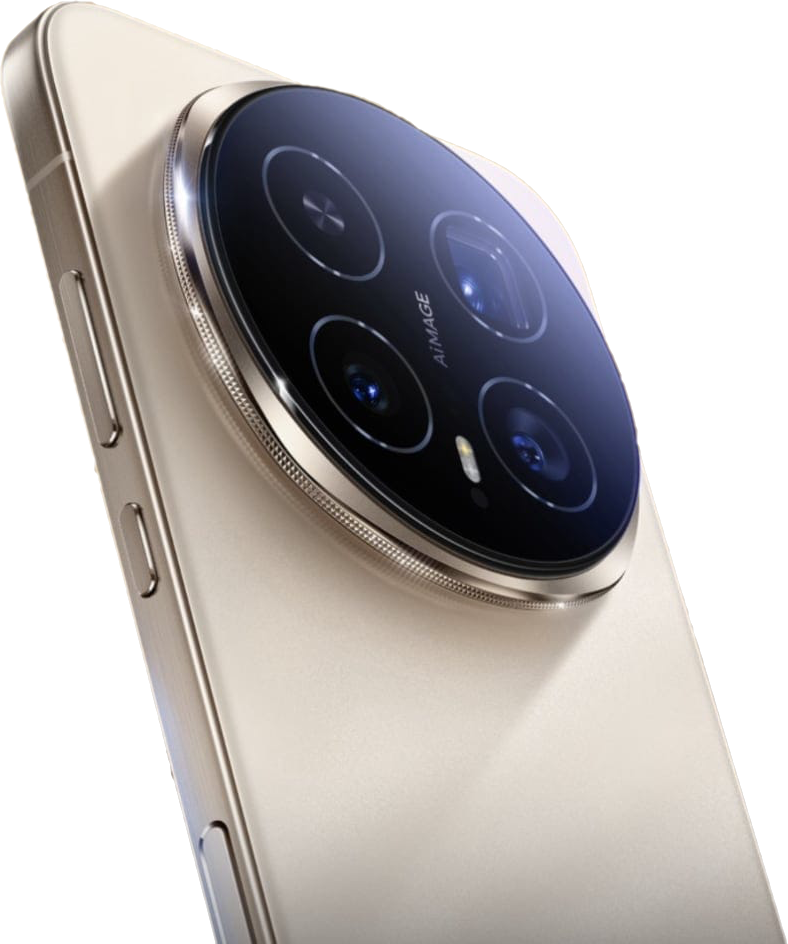
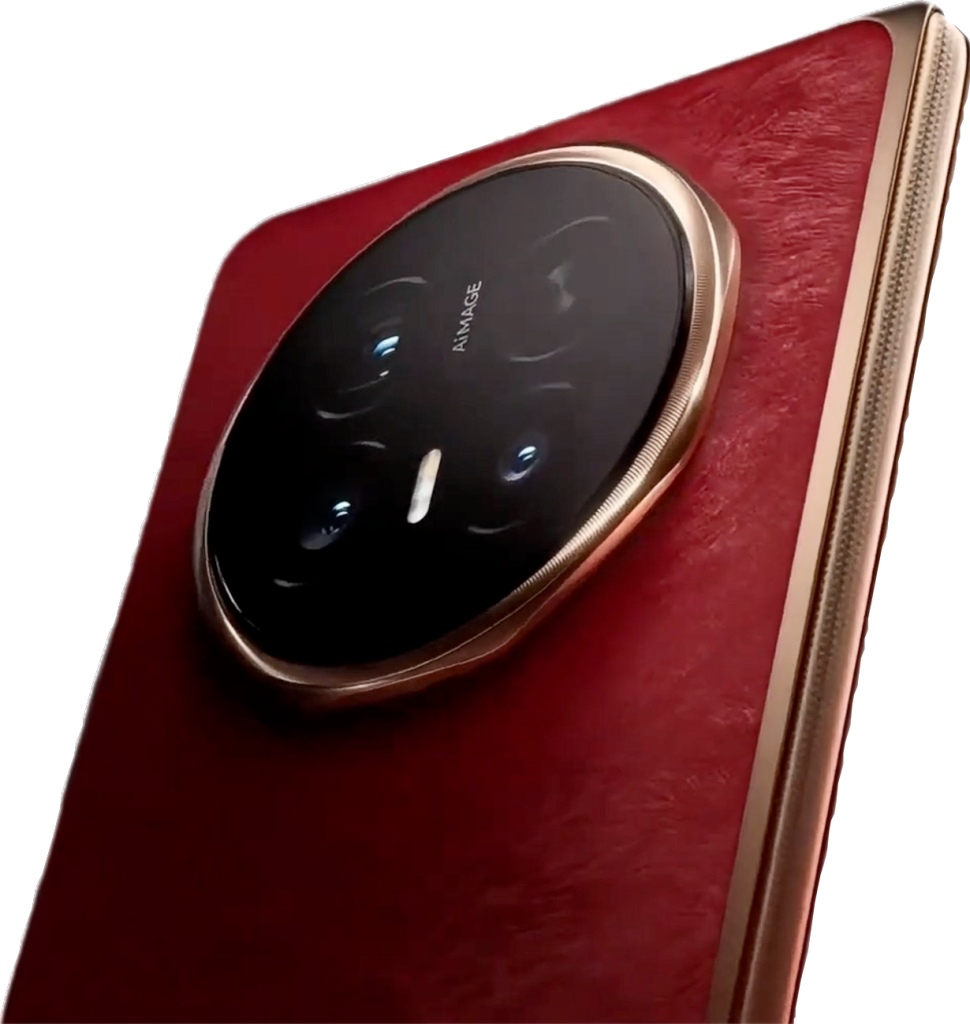
On one side, you’ve got the foldable favorite—the Honor Magic V5. A device that’s been a go-to for productivity, media consumption, and just about everything else for the past year. On the other, the newer, sleeker contender—the Honor Magic 8 Pro. A traditional “bar phone” packed with updated hardware, refined design, and some serious camera tech.
Now here’s the twist: this isn’t about folding versus unfolding. Not this time.
Instead, this comparison strips things down to what really matters for most people—day-to-day performance, usability, cameras, and overall experience. Because let’s be honest… not everyone walks around with their phone unfolded all day.
Same Software, Different Personalities
Right out of the gate, both phones feel incredibly familiar. That’s because they’re running the same MagicOS 10 experience. Layout, customization, gestures—it’s all there, and it’s polished. You’ve got large folders, flexible layouts, and a level of customization that honestly puts a lot of other Android skins to shame.
But under the hood? That’s where things start to separate.
The Magic 8 Pro brings in a newer chip—the Snapdragon 8 Gen 5—while the Magic V5 is powered by the Snapdragon 8 Gen Elite. On paper, that sounds like an easy win for the newer phone.
But real-world usage has a funny way of flipping expectations.
Despite having “lesser” hardware on paper, the V5 keeps right up—and in some cases, even pulls ahead. Everyday tasks? Smooth on both. Scrolling, switching apps, multitasking—it’s all fluid. If you handed either phone to someone blindfolded, they probably wouldn’t be able to tell the difference.
When Benchmarks Lie
Here’s where things get really interesting.
Run a benchmark test, and the Magic 8 Pro comes out on top—exactly as expected. Higher scores, faster chip, everything looks right.
But push both phones into real-world workloads—like video editing or heavy processing—and suddenly the V5 starts outperforming.
Why?
Thermals.
The Magic 8 Pro’s newer chip appears to throttle under sustained workloads, dialing back performance to keep temperatures in check. Meanwhile, the V5 maintains steady output and quietly wins the race.
It’s one of those moments that perfectly highlights something I’ve said before: specs don’t always tell the whole story.
Desktop Mode: Surprisingly Close
If you’re someone who likes to use your phone as a desktop replacement, both of these devices deliver a solid experience.
Hook either one up to an external display, and you’re greeted with a surprisingly capable desktop environment—complete with windowed apps, drag-and-drop functionality, and a layout that feels more like a PC than a phone.
Multiple apps? No problem. Resizing windows? Easy. Smooth performance? Absolutely.
And here’s the kicker: there’s essentially no difference between the two.
That newer chip in the 8 Pro? It doesn’t translate into a better desktop experience. Both phones perform nearly identically here, which is actually a win for the older V5.
Cameras: The Real Separation
Now this is where the Magic 8 Pro starts to flex.
Both devices feature strong main cameras, but the 8 Pro takes things up a notch—especially with its 200MP periscope zoom lens. And when you zoom in? That’s when the gap becomes obvious.
Details that get slightly blurred on the V5 suddenly snap into clarity on the 8 Pro. Fine textures, distant objects, even architectural details—this is where that high-resolution zoom really earns its place.
In standard shots and well-lit conditions, the differences are subtle. You’ll get great photos from both. But if zoom photography matters to you, the 8 Pro clearly takes the lead.
Low light? Again, pretty close—but the 8 Pro edges ahead slightly with better processing and clarity.
Connectivity and Speed
When it comes to network performance, both phones are fast—but the Magic 8 Pro consistently shows a slight edge.
Whether it’s cellular speeds or Wi-Fi performance, the 8 Pro tends to come out just ahead. Is it a game-changer? Not really. But it’s noticeable enough to mention.
That said, both phones are already operating at speeds that feel instant in everyday use. So while the 8 Pro wins here, it’s not something that’s going to dramatically change your experience.
So… Which One Do You Grab?
This is where things get personal.
The Magic 8 Pro is the phone you’ll probably reach for more often. It’s sleek, fast, has a larger external display, and delivers top-tier camera performance—especially with that zoom lens. Add in the 3D face unlock for secure apps like banking, and it starts to feel like the complete package.
But the Magic V5? That’s the phone that changes everything the moment you open it.
Because no matter how good a slab phone gets, it still can’t compete with a foldable when it comes to versatility. That larger internal display transforms how you watch videos, multitask, and interact with your content.
And that’s the heart of this entire comparison.
The Real Point of This Comparison
This wasn’t about picking a winner.
It was about understanding what you actually gain—and what you don’t—when you move from a foldable to a traditional flagship.
What you learn is this: the gap isn’t as big as you might think.
In everyday use, these phones feel remarkably similar. Performance differences are minimal. Software is identical. Even multitasking capabilities are closer than expected.
But when you open that foldable? That’s when the experience changes in a way no slab phone can replicate.
Final Thoughts
The Honor Magic 8 Pro proves that bar phones are still evolving—and doing it well. It’s fast, refined, and arguably the better choice for photography and everyday convenience.
But the Magic V5 reminds you why foldables exist in the first place.
If you value versatility and that “wow” factor every time you open your device, the foldable still holds its ground—and then some.
So the real question isn’t which one is better.
It’s this: what kind of experience do you actually want from your phone?