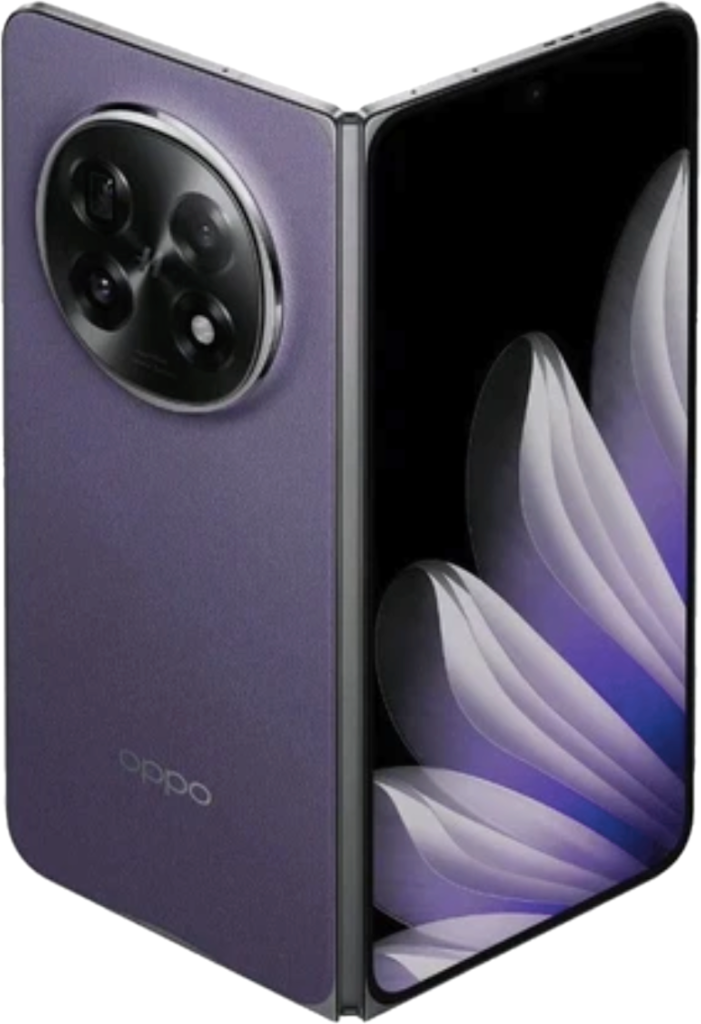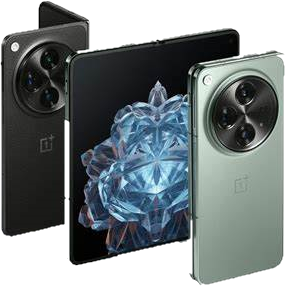
The Update That Changed Everything: Oppo Find N6 Just Got Serious

Every now and then, a software update comes along that doesn’t just tweak a device—it transforms it. And that’s exactly what just happened with the Oppo Find N6.

If you’ve been following along, you already know this phone has been in heavy rotation—competing against some of the best foldables out there. But there was always one nagging issue holding it back: the camera consistency. More specifically, the white balance.

Well… that problem? It looks like it’s finally been fixed.

And the difference is not subtle.


A Before-and-After That Actually Matters

We’ve all seen “before and after” comparisons that don’t really show much. This isn’t one of those.

Side-by-side shots taken down the same street—same settings, same 50MP resolution—tell the story instantly. Before the update, images often looked overexposed, with highlights blown out and details getting lost in bright areas. At first glance, the newer image might actually seem darker, but once you zoom in, everything changes.

Suddenly, textures show up. The sidewalk has detail. The shadows aren’t just dark blobs—they have depth. Colors look more natural, more grounded in reality.

That’s the key takeaway here: this isn’t about brightness. It’s about balance.

The update appears to have corrected the white balance in a way that brings everything into harmony. And once you see it, it’s hard to unsee it.


It’s Not Just Photos—It’s the Whole Experience

What makes this even more impressive is that the improvement carries across the board.

Daytime shots now show better contrast and clarity. Colors don’t feel artificially boosted anymore—they feel accurate. Even when lighting conditions change, the camera adapts more naturally instead of overcompensating.

And then there’s night photography.

Previously, low-light shots could feel inconsistent. Highlights would blow out, shadows would lose detail, and portrait shots leaned a bit too heavily on artificial blur. Now? It’s a different story.

Lights hold their shape. Details remain intact. The image feels controlled rather than processed.

It’s the kind of upgrade that makes you go back through your gallery and realize just how much things have improved.


Video: The Real Surprise

If the photo improvements were impressive, video might be the real shocker.

Before the update, night video had its struggles—blown-out lights, soft detail, and occasional focus issues. But after the update, the difference is immediate.

Walking through a dimly lit area, you’ll notice that highlights stay contained instead of washing out the scene. Details remain sharp, even in motion. And perhaps most importantly, the camera now adjusts exposure smoothly without needing manual input.

There was even a moment where the camera locked focus instantly on a sign—something that previously required tapping the screen to correct.

That’s not just an improvement. That’s a fix.

And for a lot of users, that’s going to be the difference between “this camera is okay” and “this camera is actually great.”


One Month In… and the Decision Isn’t Easy

This update couldn’t have come at a better time.

After spending about a month with the Find N6—testing it against devices like the Samsung Galaxy Z Fold 7 and the Honor Magic V5—one question keeps coming up:

Is this the daily driver?

And the honest answer? It’s complicated.

On paper, the Honor still holds its ground. It’s slightly wider, charges faster, and has its own strengths. But in real-world use, something interesting is happening.

More often than not, the hand reaches for the Find N6.


Why the Find N6 Keeps Winning the Grab Test

Some of it comes down to size.

The Find N6 is just a touch taller, giving you a little more vertical space. It’s not a massive difference, but it’s noticeable. Content feels just a bit more immersive, and that adds up over time.

But the bigger factor? The user interface.

There’s a simplicity here that’s hard to ignore. Searching for apps is faster. Navigating folders feels more intuitive. Small touches—like being able to expand mini folders into full-sized previews—make everyday use feel smoother.

It’s not about having more features. It’s about making the features you use easier.

And that’s something you notice every single day.


Battery Life vs Charging Speed: A Trade-Off That Works

Battery life is another area where the Find N6 quietly pulls ahead.

Thanks to its newer chipset, it manages power more efficiently, often ending the day with 10–20% more battery than the competition. That’s a meaningful difference, especially for heavier users.

Charging, however, tells a different story.

Despite having faster charging specs on paper, it doesn’t actually charge as quickly as the Honor. And yes, that’s surprising. Even when using higher-watt chargers, the results stay about the same.

But here’s the thing—it doesn’t really matter.

Because when your phone lasts all day, needing a lightning-fast top-up becomes less critical. Plug it in for 30 minutes, and you’re good to go.


Performance: Great… With One Catch

Day-to-day performance is exactly what you’d expect from a flagship—smooth, responsive, and reliable.

But when you push it—especially with tasks like video rendering—you start to see some throttling. It’s not a dealbreaker, but it’s there.

That’s the trade-off for better battery efficiency. The chip is designed to conserve power, and sometimes that means dialing things back under heavy load.

For most people, it won’t matter. But for power users, it’s something to keep in mind.


So… Is This the Best Foldable Right Now?

With this update? It’s making a very strong case.

The camera improvements alone push the Find N6 into a different category. Combine that with solid battery life, a refined UI, and a form factor that just feels right, and you’ve got a device that’s hard to put down.

Is it perfect? No.

Is it easy to recommend? Absolutely.

And if you already own one and haven’t received the update yet—keep checking. Because once you get it, you might find yourself reaching for this phone more than anything else you own.


At the end of the day, that’s what matters most.

Not the specs. Not the hype.

Just the phone you actually want to use.
Motorola’s New Foldable Is Coming for Samsung — And It Might Actually Win

There’s a new foldable phone stepping into the ring, and this time it’s not Samsung or Google leading the charge. Motorola just made waves at CES by announcing a brand-new book-style foldable, and while many of us were hoping for a passport-style design, Motorola chose a different path. Instead of going wider, they went taller — and surprisingly, that decision might pay off.

At first glance, Motorola’s new foldable looks familiar. Think Samsung Galaxy Z Fold meets Vivo X Fold, but with just a bit more breathing room. The external display measures 6.6 inches diagonally, edging past the Z Fold’s 6.5-inch cover screen. That may not sound like much on paper, but anyone who has used these devices knows that even small changes in size can dramatically affect usability. Early comparison images suggest the Motorola is slightly taller, with more rounded corners than Samsung’s squared-off design — a subtle difference that could make it more comfortable to hold day-to-day.

Open the phone and things get even more interesting. The internal display grows to 8.1 inches, putting it in the same league as the Oppo Find N5 and making it one of the largest foldable screens currently planned. The panel is expected to be a crisp 2K display with a 120Hz refresh rate, which is right where it needs to be in 2025. Motorola isn’t chasing extreme refresh rates here — and honestly, that’s fine. Smooth, reliable performance matters more than spec-sheet flexing.

One design choice that really stands out is the addition of a third physical button. Like Vivo and Oppo before it, Motorola appears to be borrowing from Chinese foldable design trends. Alongside the power and volume buttons, there’s a programmable key likely tied to AI features, but hopefully customizable as well. Extra buttons may seem small, but they add real convenience — especially on a device designed for productivity.

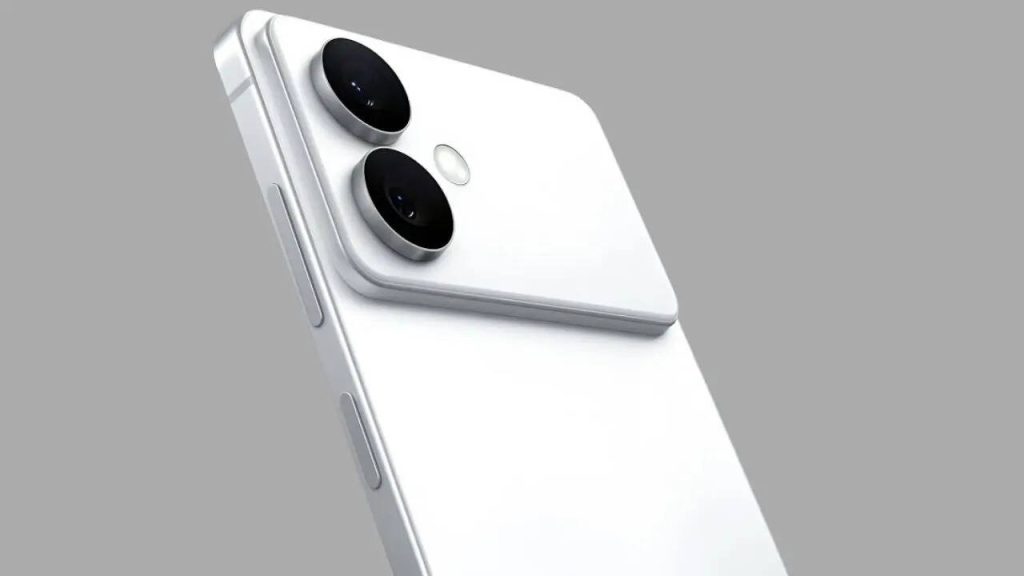
The camera setup is another area where Motorola looks ready to punch above its weight. Instead of Samsung’s vertical camera strip — which causes wobble when the phone is laid flat — Motorola went with a square camera island similar to Pixel’s design, but slimmer. More importantly, the specs look strong: a 50MP main camera, a 50MP ultrawide, and a 50MP 3x telephoto lens. That alone puts it ahead of Samsung’s 10MP 3x zoom. Numbers aren’t everything, but higher resolution paired with decent sensor size usually translates to better real-world results.

Selfie cameras are solid too, with a 32MP external camera and a 20MP internal shooter. No compromises here, which is refreshing in a foldable market that often cuts corners.

Battery life could be where Motorola really separates itself. While official numbers aren’t confirmed, leaks point toward a battery around 5,200mAh — significantly larger than Samsung’s 4,400mAh pack. Considering Motorola’s Razr Ultra flip phone already outperformed Samsung in battery capacity last year, this seems believable. Even better, charging speeds are rumored to reach 90W wired and 50W wireless, putting it right alongside the fastest foldables available today.

Thickness plays a role here too. Motorola doesn’t appear to be chasing the “thinnest foldable ever” crown, and that’s a good thing. Early images suggest a slightly thicker body than the Z Fold, with more space around the USB-C port — similar to Google’s Pixel Fold. That extra thickness likely makes room for a bigger battery, better thermals, and stronger durability. Thin is impressive, but usable wins every time.

Internally, Motorola is reportedly packing 16GB of RAM, immediately jumping ahead of Samsung’s current foldables. The processor is expected to be Snapdragon 8 Gen 5 rather than the newer Elite variant, but realistically, that chip is already more than powerful enough. Choosing a slightly older flagship processor could also be the reason pricing looks competitive.

And pricing matters. Rumors suggest Motorola is targeting a $1,599–$1,699 launch price, which undercuts many competitors while still offering flagship specs. If that holds true, Motorola could land right in the sweet spot — premium without crossing into absurd territory.

Software-wise, expect Android 16 at launch, with deep AI integration. One feature already generating buzz is a “Catch Me Up” system that summarizes missed calls, messages, emails, and notifications in a single intelligent briefing. If implemented well, this could be one of those features you didn’t know you needed until you use it.

Perhaps the most exciting addition, though, is stylus support. Motorola’s foldable is expected to support a pen on both the outer and inner screens — something Samsung still hasn’t fully embraced. For note-taking, sketching, or productivity work, this alone could be a deal-breaker feature for many users. With rumors still unclear about Samsung’s future stylus plans, Motorola may have a real opportunity to win over power users.

The only downside? Timing. Motorola’s foldable isn’t expected until summer, placing it head-to-head with the next Galaxy Z Fold, Pixel Fold updates, and a wave of new Chinese foldables. Competition will be fierce — but based on what we’re seeing so far, Motorola might finally be ready to stand toe-to-toe with the giants.

So now the question is yours to answer: is this the foldable that finally pulls you away from Samsung? If Motorola delivers on these specs, pricing, and features, this could be one of the most compelling foldables we’ve seen yet.

Samsung Galaxy S26 Series: What’s Really Changing—and What Isn’t

Samsung’s S26 series has been leaking like crazy, but instead of giving us clarity, the rumors have created one of the strangest, most confusing upgrade cycles Samsung has ever attempted. New chipsets that aren’t really new. Camera changes that don’t change much. A mysterious fourth phone that seems to exist “just because.” And a processor naming scheme that might make your brain hurt.

Grab your coffee—this one’s a ride.

The Chipset Circus: Snapdragon Elite 5… or Exynos 2600?

Let’s start with the biggest question Samsung fans always have:

“Are we getting Snapdragon or Exynos this time?”

Well—yes.
And no.
And maybe?

Early tests suggest Samsung wants to put its new Exynos 2600 in most S26 and S26+ units. Some benchmarks show it beating Qualcomm’s Snapdragon 8 Gen 5 Elite. Others show the opposite. So Samsung seems torn.

Here’s where it gets messy:
In most markets, Samsung may use Exynos in the S26 and S26+, but Snapdragon Elite 5 in the S26 Ultra.

Why?
Simple. Marketing separation.
The Plus model has gotten too close to the Ultra in the last two generations. Samsung needs space to justify the Ultra’s higher price.

But here’s the twist—
Leaks say in the United States and a few other regions, ALL models may get Snapdragon Elite 5. Honestly, it’s what Samsung should do globally, but we’ll see if they pull the trigger.

Either way, the naming is funny.
This chip should technically be Elite 2, but Qualcomm decided “Gen 5 Elite” sounded fancier. Silicon branding never disappoints.

The Design: Familiar Faces with One Big Mystery

If you’ve seen the S25 series… you’ve basically seen the S26 series.

Except for one phone.

A strange-looking device has leaked with a full-width camera bar across the top—similar to Pixel’s visor or the iPhone 15 Pro’s clean slab look.

So what is it?

  • Is it the returning S26 Edge model?
  • Or did Samsung remove a camera from the base S26 to cut costs?
  • Or is it just a test unit we weren’t supposed to see?

At this stage, rumors point strongly to the S26 Edge returning, complete with:

  • A bigger 4300 mAh battery
  • A new premium back design
  • The unmistakable camera bar spanning the width of the phone

It’s an odd move considering the S25 Edge didn’t exactly sell well. But Samsung seems determined to try again—maybe hoping the design gives it a new identity.

Cameras: Upgrades… Kind Of

If you were hoping Samsung would finally trickle down that beautiful 200-megapixel Ultra camera to the regular S series—well, sit down.

It’s not happening.

The S26 and S26+ are getting:

  • 50MP main camera
  • 50MP ultrawide
  • New 12MP 3× telephoto

This year the 12MP ultra wide is getting a big upgrade and that new 3× lens is definitely a nice upgrade over the cheap 10MP one they’ve used for four years, but it still leaves Samsung trailing behind Apple and Pixel, both of which have 48–50MP 5× zoom lenses.

Meanwhile, the S26 Ultra keeps its throne with:

  • 200MP main
  • 50MP ultrawide
  • 50MP 5× zoom
  • Possible new 12MP 3× zoom

So yes, the Ultra is still king. The smaller S26 models… remain stuck in “good enough” territory.

Battery & Charging: Small Gains, Same Mistakes

There is good news:
Every S26 model is rumored to get 200–300 mAh more battery.
Always welcome.

And charging?
Well…

  • Standard S26 models: probably still 25W
  • Ultra: still 45W
  • Wireless charging: maybe increasing from 15W → 20W

But the rumor that caught everyone’s attention?

Samsung might finally add MagSafe-compatible coils to the S26 lineup. If that happens, we enter a glorious new world where accessories actually work the same across devices.

We can dream.

The “Why” Behind All of This

Here’s the point—and what your video script was highlighting perfectly:

The S26 series is shaping up to be the definition of an incremental upgrade.
Battery up a bit.
Cameras improved slightly.
Chipset split again.
Design mostly unchanged.

If you skipped the S25?
The S26 might feel like a refinement you can justify.

If you have an S25?
You might struggle to find a reason to upgrade unless you’re going for the Ultra.

And the Edge model?
That’s the wildcard. It might be Samsung’s attempt to shake up the mid-tier lineup, or it may be another experiment that fizzles.

Final Thoughts: Should You Be Excited?

If you love Samsung devices, the S26 series still brings improvements—just not the “wow factor” we’ve seen in previous generations. To many users, it’ll feel like Samsung is saving the real innovations for the Z Fold 8 and their upcoming AI push.

Still, the S26 series gives you:

  • Better zoom on standard models
  • A new premium Edge design
  • Larger batteries
  • Possibly uniform Snapdragon chips in the U.S.
  • And a more polished Ultra

Now it’s your turn—are you excited for the S26?
Did you skip the S25 waiting for this moment?
Or are you holding out for something bigger?

Drop a comment and let me know what you think!

And if you want to compare Samsung’s last big release, check out my S25 Ultra vs Z Fold 7 comparison—linked right on the blog.

The Oppo Find N6: The Next Big Step for Foldables?

In the fast-paced world of foldable phones, 2026 is already shaping up to be an exciting year, with Oppo leading the charge with its upcoming Oppo Find N6. But with the OnePlus Open potentially following suit, is the market ready for another foldable phone launch? Let’s dive into what we can expect from Oppo’s new foldable, how it stacks up to its predecessors, and what it means for the competition.

Oppo Find N6: What’s New?

For those who may not be familiar, the Oppo Find N5 was one of the standout foldables from the previous year. It was one of the largest in the market, boasting an impressive 8.12-inch internal screen and a 6.6-inch external display. While it wasn’t the most compact foldable out there, it brought some much-needed innovation to the category with its slim design and decent battery life. However, it did have its shortcomings — particularly in the camera department, where the Oppo Find N5’s 50 MP main sensor and 8 MP ultrawide camera were a bit underwhelming compared to other foldables in the market.

But the Oppo Find N6 is shaping up to remedy those shortcomings. It’s rumored to come with a Snapdragon Elite 5 chipset, an upgrade from the previous model’s Snapdragon 7-series, and significantly better camera specs, including a 50 MP periscope zoom lens, alongside a multi-spectral sensor for better light capture in low-light conditions. Oppo seems to be listening to consumer feedback and coming back strong with a device that could finally compete with the likes of Samsung’s Galaxy Z Fold 7 and the Honor Magic V5.

What About the OnePlus Open?

It’s also worth mentioning that the OnePlus Open, Oppo’s sister company, may be entering the foldable scene soon as well. The OnePlus Open skipped a release in 2025, leaving many wondering whether they’d be returning to the foldable market in 2026. OnePlus may not be as well-known in the foldable space as Samsung, but they do have a reputation for making solid phones at a competitive price point.

The question is: will OnePlus release the Open 2, Open 3, or something entirely new to rival Oppo’s new flagship? Speculation suggests that OnePlus may release a global version of the Oppo Find N6, which could be a game-changer for foldable competition, particularly in markets like the U.S. where Oppo’s foldables haven’t yet gained a foothold. A global version of the Find N6 would be the perfect opportunity for OnePlus to capture a broader audience and take on Samsung in the foldable space.

Oppo Find N6: A Premium Experience?

When comparing the Oppo Find N6 to the previous model, the improvements are noticeable. The new N6 is rumored to have a 6000 mAh battery, which is on par with some of the best foldables out there, including the Vivo X Fold 5. For those looking for longevity, Oppo has upped its game with a battery capable of handling long days of use without a hitch.

On top of that, Oppo is expected to include fast charging capabilities with 80W wired charging and 40W wireless charging. Compare that to the Pixel Fold’s slow charging speed, and you can see why the Oppo Find N6 could be an appealing choice for anyone tired of waiting for their phone to charge.

The Camera Upgrade

One of the biggest selling points of the Oppo Find N6 is its improved camera system. The previous model fell short of expectations with an underwhelming ultrawide camera and average selfie performance. However, Oppo is stepping it up this year with a rumored 50 MP main sensor and a 50 MP periscope zoom camera — a big jump from the N5’s lackluster camera setup.

Oppo isn’t just focusing on the hardware either. They’re introducing a multi-spectral sensor, which will allow the camera to capture more light and detail in challenging lighting conditions. This could make the Oppo Find N6 a serious contender for photography enthusiasts who demand high-quality camera performance from their foldables.

Will It Compete With Samsung?

The Oppo Find N6 will face stiff competition from Samsung’s foldables, especially the Galaxy Z Fold 7, which is already known for its polished hardware and cutting-edge features. However, with Oppo’s commitment to upgrading its camera system and battery life, it may be able to steal some market share from Samsung, especially with the Find N6’s rumored slim design and improved specs.

Samsung has been the undisputed leader in the foldable market for years, but Oppo’s Find N series is a legitimate contender. The fact that Oppo is also focusing on the same high-end specs as the Z Fold series, such as large displays, fast charging, and premium build quality, means that foldable users now have more choice than ever before.

OnePlus: Is It Coming Back to Foldables?

So, what does all this mean for OnePlus? While it’s not clear yet what the company will do next with its foldable lineup, it’s safe to say that OnePlus has the potential to be a strong player in the foldable space. If the rumors are true, and OnePlus does release a new foldable in 2026, we can expect it to come with similar specs as the Oppo Find N6, but at a potentially lower price point.

OnePlus may even surprise us with a global version of the Oppo Find N6, giving consumers more choices in the foldable market. If they manage to release a device that rivals the Oppo Find N6 — especially in markets outside of China — it could mark the beginning of a new era for OnePlus in the foldable space.

Conclusion

The Oppo Find N6 is shaping up to be an impressive device, with a large display, improved camera system, and better battery life than its predecessor. But the real question remains: Is the world ready for another foldable phone? With the current market still dominated by traditional bar phones, will people be willing to embrace another foldable device, especially one with a second hinge?

It’ll be interesting to see how Oppo’s Find N6 fares against Samsung and other foldables in 2026, and whether OnePlus will throw its hat into the ring with its own foldable offering. One thing’s for sure: foldable phones are evolving, and the Oppo Find N6 is pushing the envelope even further.

So, what do you think? Are you excited for the Oppo Find N6, or will you be waiting for OnePlus’ next move? Let me know in the comments below!

iPhone 17 First Impressions: Apple Finally Levels Up

Apple just wrapped its latest event, and the iPhone 17 lineup is here. After months of rumors and leaks, we now have the standard iPhone 17, the sleek but controversial iPhone 17 Air, and the powerhouse iPhone 17 Pro. Instead of making AI the star, Apple doubled down on hardware this year—and the result is a set of phones that feel like a big leap forward for everyday users.

The Standard iPhone 17 Gets Serious      

Apple often saves its biggest tricks for the Pro models, but this year the base iPhone 17 got the glow-up. Cameras first: last year’s 48 MP main + 12 MP ultrawide combo has been replaced with dual 48 MP shooters, including an ultrawide that uses a clever 12 MP crop for true optical-quality zoom. Combined with Apple’s 24 MP pixel-binning, images look brighter, sharper, and more natural—especially in low light.

The selfie camera also got smarter with Apple’s new “Center Stage” mode. It automatically widens the frame and tracks subjects, which is perfect for group selfies or FaceTime. I only wish Apple had extended that feature to the rear cameras for more flexible video shooting.

On the display side, Apple finally ditched 60 Hz for 120 Hz ProMotion on the standard iPhone. Scrolling feels buttery smooth, animations are cleaner, and the adaptive refresh rate should help save battery. Speaking of battery: the standard iPhone 17 packs a larger cell thanks to a bigger 6.3-inch screen (up from 6.1″ last year). Pair that with the new A19 chip, which Apple claims is 20% faster and more efficient, and this might be the best battery life ever in a non-Pro iPhone.

The Thinner, Riskier iPhone 17 Air  

Apple’s boldest new product is the iPhone 17 Air—a super-slim phone that feels more like a design experiment than a must-have. Its single “Dual Fusion” camera pulls double duty as both wide and ultrawide, and it runs the same A19 Pro chip found in higher models. But with its thin frame, the Air is heavily throttled to manage heat, just like Samsung’s S25 Edge.

In short, it looks slick and feels futuristic, but the compromises are real: fewer cameras, less power under heavy load, and questionable battery life. I suspect the Air will end up being a niche model—eye candy for the shelf, but not the workhorse most users need.

The iPhone 17 Pro: Apple’s True Flagship  

The Pro is where Apple flexed its engineering. The back panel now extends across the entire camera array in a two-tone design that recalls old-school Pixels, but with a purpose: more room for battery, cooling, and bigger camera hardware. The periscope zoom is gone, replaced with a 48 MP 4x telephoto that delivers higher-quality zoom shots thanks to the extra resolution.

Inside, the A19 Pro chip promises to run cooler and throttle less, thanks to that new thermal design. Apple even tucked the chip partially into the camera module space to maximize efficiency. Add in Ceramic Shield 2 (front and back), 3000-nit anti-reflective displays, and you’ve got a phone built for durability as much as performance.

My First Impressions

So where do I land after Apple’s big event?

The standard iPhone 17 is the sleeper hit: bigger screen, better cameras, ProMotion, and stronger battery life. It’s the first time in years I’d recommend the base model without hesitation.

The iPhone 17 Air is interesting but feels like a gimmick—beautifully thin, but too compromised for real users.

The iPhone 17 Pro is the enthusiast’s choice, with smarter design, better cooling, and pro-level cameras.

I’ll reserve final judgment until I get them in hand and compare them against rivals like the Pixel 10 Pro and Samsung S25 Ultra, but one thing is clear: Apple’s focus on hardware this year has made the iPhone 17 lineup the strongest upgrade path in years.

—

 Which model are you most excited about—the standard, the Air, or the Pro?

Pixel 10 Series – Is It Worth the Upgrade?

Google just pulled the curtain back on the Pixel 10 series, and after watching the reveal, I’ve got mixed feelings. On paper, this should feel like a milestone — ten generations of Pixels! But once you peel back the hype, the question is: is there really enough here to justify dropping another $1,000+ if you already own a Pixel 9 Pro or a Fold? Let’s dig in.

Design Déjà Vu

If you were hoping for a fresh new look, you’re out of luck. The Pixel 10 lineup keeps the same style and design we saw last year with the Pixel 9 Pro and Pixel 9 Pro Fold. They’re practically twins — hard to tell apart unless you squint.

The only real change comes in the base Pixel 10 model, which is finally getting a third rear camera. And not just any lens — Google is handing down the same 3x 10MP telephoto zoom that the Fold had last year. That’s a nice step up, but it also blurs the line between “Pro” and “non-Pro.” At this point, you have to wonder: what does “Pro” even mean anymore in Google’s world?

What’s New Under the Hood

The most meaningful update is the new Tensor G5 chip. Along with it, the Pro models pick up a slight battery boost, which should help balance efficiency with extra performance. Charging also gets a tiny bump — 30W wired (up from 27W) and 25W wireless on the XL Pro. And yes, Google finally added its answer to Apple’s MagSafe: Pixel Snap, a magnetic puck system for wireless charging and accessories.

But here’s the rub: it’s still capped at 15W on most models. That’s hardly game-changing. And since you can already buy MagSafe-compatible cases that work with existing Pixels, I don’t see this as a strong reason to upgrade.

The AI Promises (Again)

Google leaned heavily on AI in its announcement — just like last year. Smarter assistants, automatic reservations, real-world task help, the works. And while it all sounds amazing, here’s the problem: we’ve been hearing these promises for two years, and half the features still haven’t shown up. It feels more like déjà vu than innovation.

The Harsh Reality of Pricing

Now here’s where things get sticky. Google is offering just $760 trade-in credit for a Pixel 9 Pro Fold toward the Pixel 10. That means you’re shelling out another $1,000 just to get into a phone that feels… nearly identical. Even upgrading a Pixel 9 Pro sets you back around $500, and that’s just to keep pace.

Contrast that with Samsung: the Z Fold 7 launched with much better trade-in values — $1,000 for a Fold 6, $900 for a Fold 5, and even $800 for a Fold 4. That’s a huge difference and makes Samsung’s upgrade path a lot more tempting.

My Verdict: Passing on Pixel 10

For me, the math just doesn’t add up. Not enough hardware changes, recycled software promises, and a weak trade-in program make this an easy “skip year.” If you’re still rocking a Pixel 7 or the first Fold, maybe there’s a case to upgrade. But if you’ve got a Pixel 9, I’d say wait it out — you’ll only lose about $50 in trade-in value by skipping this round.

Meanwhile, competitors like Honor’s Magic V5 and Samsung’s Z Fold 7 are pushing the envelope with real improvements and better deals. Google, on the other hand, feels like they phoned it in this year.

So I’m holding off. What about you? Is the Pixel 10 series enough to win your upgrade dollars, or are you skipping too? Let me know — and if you’re curious about the Z Fold 7, I’ve got a full breakdown waiting for you.

Honor Magic V5 Global Reveal: Slimmer, Stronger & Ready to Shock Samsung

By Mark Shephard

If you thought the foldable race was slowing down in 2025… Honor just sucker-punched that idea into next week. At their global launch event — complete with AI demos, world-record attempts, and a little Guinness-certified flexing — Honor officially unveiled the Magic V5, and trust me… this thing is not messing around.

Here’s everything you need to know (and why Samsung and Apple should probably be watching this one closely).


So What Is the Magic V5?

The Honor Magic V5 is Honor’s all-new flagship foldable designed around three bold claims:

“Smarter. Slimmer. Stronger.”

And they have the numbers (and world records) to back it up:

  • 8.8 mm thin (when folded — making it one of the thinnest foldables globally)
  • 5,820 mAh battery — the largest battery ever in a foldable phone
  • Snapdragon 8 Elite chip powering next-gen AI across the device
  • Durability certified by Guinness World Records — it literally lifted 104 kg (229 lbs) while suspended by its hinge!

Yep… they hung a man’s entire gym set from the hinge on stage just to prove how strong their aerospace-grade fiber and “Super Steel” hinge really are. Guinness handed them a certificate.

That’s what you call a flex.


AI Everywhere (Gemini Built-In)

Honor is doubling-down on on-device AI, partnering heavily with Google Gemini to turn the Magic V5 into a powerful chatbot assistant built directly into the phone — no browser required.

AI features demoed live included:

  • AI Summary – highlight text → get instant summaries (great for news/articles)
  • AI Subtitle Translation – live translate foreign-language videos on YouTube/TikTok
  • Gemini Live – point your camera at products and ask, “Which coffee machine is better?”
  • Magic Sidebar AI Suggestions – surfaces smart tools based on your current task
  • Tap-to-launch Gemini – double-tap the back of the phone to wake Gemini instantly
  • AI Deepfake Detection for safer video calls

Honor wants you to think of it less as a phone… and more as a pocket assistant.


Cameras: No Compromise Foldable

Honor came out swinging on optics too, promising a periscope zoom camera with AI Super Zoom up to 100×, pro-level macro shots, and low-light imaging that doesn’t fall apart. They’ve explicitly stated no compromises: no giving up telephoto, no cutting pen support, no skipping wireless charging — just to shave a millimeter.

Unlike some competitors (cough Samsung Fold 6), both inner and outer displays support the Honor Magic Pen.


Brightest Displays, Toughest Glass, Longest Life

Key global-launch specs:

FeatureMagic V5 Global Specification
Display brightness5,000 nits peak (inside & outside)
GlassNano-crystal outer glass (3× tougher)
Battery5,820 mAh, 66 W wired, 50 W wireless
Hinge lifeRated 500,000+ folds
Thickness8.8 mm (folded), 4.1 mm (unfolded)
MaterialAerospace fiber – 61 % lighter than paper, 2.5× stronger than steel

Oh — and it multitasks like a PC in your pocket, running three apps at once with Gemini floating on top, thanks to that upgraded Snapdragon 8 Elite chipset delivering 45 % more AI horsepower and 27 % better power efficiency than last year’s model.


Global Pricing & Release

During the event Honor confirmed a starting price of $1799 USD 16GB RAM/512GM storage (Middle East & Africa markets first, EU and Asia to follow) — making it aggressively cheaper than Samsung’s Fold series. Early pre-orders also include VIP perks like screen protection, 65+ local service centers, and accessory bundles.


My Take?

Honor didn’t just update a phone — they unleashed a statement: foldables should be your main phone, not a niche toy. With record-breaking durability, the biggest battery in the industry, and built-in Gemini AI smarts, the Magic V5 global version is on a war-path to steal mainstream foldable users in 2025.

Samsung… it’s your move.


Honor Magic V5 Rumors: Is This the Foldable Samsung Didn’t See Coming?

by Mark Shephard

Samsung may have dominated the foldable market for years — but after watching Honor’s official (and completely Chinese-language) V5 reveal from beginning to end, translated the specs myself, and captured screenshots straight from the source… I can confidently say this: the foldable war just got real.

This isn’t a rumor roundup anymore — it’s Honor’s own words. And the Magic V5 doesn’t just aim to catch Samsung… it looks ready to overtake them where it hurts most: thinness, performance, battery size, and (most shockingly) cameras.


Ultra-Slim Design (Without the Usual Compromises)

Let’s start with the hardware — because Honor clearly did.

  • 8.8 mm thin when folded — and just 4.1 mm unfolded, now officially the thinnest foldable in the world.
  • 217 g, making it the lightest full-size book-style foldable on the market.
  • 6.48″ outer display + 7.95″ inner screen (slightly smaller than Vivo and Samsung, but not enough to matter)
  • Dolby Vision support and peak 5000-nit outer brightness
  • Available in multiple colors (including that jaw-dropping gold), but note: vegan-leather finishes are slightly thicker/heavier than glass models — so choose wisely.

Stronger Titanium Hinge + Real IP Ratings

Honor re-engineered the hinge using titanium — not to shave weight, but to hold any angle and stand up to long-term wear. And unlike previous generations, this one’s IP58/59 rated, making it more water- and dust-resistant than any other book-style foldable you can buy today.


Performance & Battery — Full-Power Snapdragon + Massive Cell

Here’s where Honor stops playing games:

  • Snapdragon 8 “Elite” chip (full 8-core version — no cores disabled)
  • Completely redesigned 6,100 mAh silicon-carbon battery (largest EVER in a foldable)
  • 66 W wired + 50 W wireless charging, plus compatibility with over 230 EV wireless charging systems (yes — including cars)

That battery number is not a typo. It even edges out Vivo’s monster X Fold5 Pro — and absolutely embarrasses Samsung’s Z Fold 7 (4,400 mAh).


Camera System — This Might Be the Real Mic-Drop

Honor is putting all its marketing weight behind the telephoto setup this year… and for good reason.

  • 64 MP Periscope telephoto lens (not a standard telephoto like Samsung or Google)
  • Up to 100× zoom with shockingly crisp detail
  • Night-mode zooming demos were legitimately impressive
  • Telephoto macro mode — letting you get crazy close on tiny subjects using the zoom lens (think Oppo Find N3 style)
  • Supported by YOYO AI + cloud-based enhancements + Elite ISP

Translation: this might be the first foldable that genuinely replaces a flagship cameraphone without excuses.


Smarter AI & Ecosystem Support

Honor’s “YOYO AI” is getting a major upgrade in V5 — promising contextual writing assistance, cross-device syncing, and photo/video enhancement features that feel a lot like Galaxy AI… but baked into MagicOS instead.

Plus: Honor claims the V5 supports the most 5G bands of any foldable, meaning Western carrier compatibility (T-Mobile/AT&T) should finally be realistic — assuming the global release lands as expected.


Final Take – Should Samsung Be Worried?

In a word: Yes.

The Honor Magic V5 doesn’t just show up thinner — it shows up better:

SpecHonor Magic V5Galaxy Z Fold 7
Battery6,100 mAh (silicon-carbon)4,400 mAh
Thickness (unfolded)4.1 mm~5.8 mm
Telephoto64 MP periscope (100×)3× 10 MP telephoto
Charging66 W / 50 W wireless25 W / 15 W wireless
Weight217 g~239 g
ChipSnapdragon 8 EliteSnapdragon 8 Elite

If Honor launches this globally with Google services and US 5G support, Samsung’s Z Fold lineup is in serious trouble for the first time since 2019.


Are you ready to jump ship? Or sticking with Team Samsung?
Drop a comment under the video — and if you want to compare it to Vivo’s new beast, check out the X Fold5 specs video here next.